Your wedding bouquet is more than just flowers. It’s an extension of your style, your story, and the tone of your entire day. As a wedding photographer, I see firsthand how bouquet choices influence not only the design of a wedding, but also how it photographs and feels in your final gallery. It’s held close during some of the most meaningful moments and captured in photos you’ll cherish forever. With so many options, choosing the right bouquet can feel overwhelming, but with a little intention, it can become one of the most personal details of your wedding day.
Below is a thoughtful guide to help you choose a bouquet that feels beautiful, cohesive, and you.
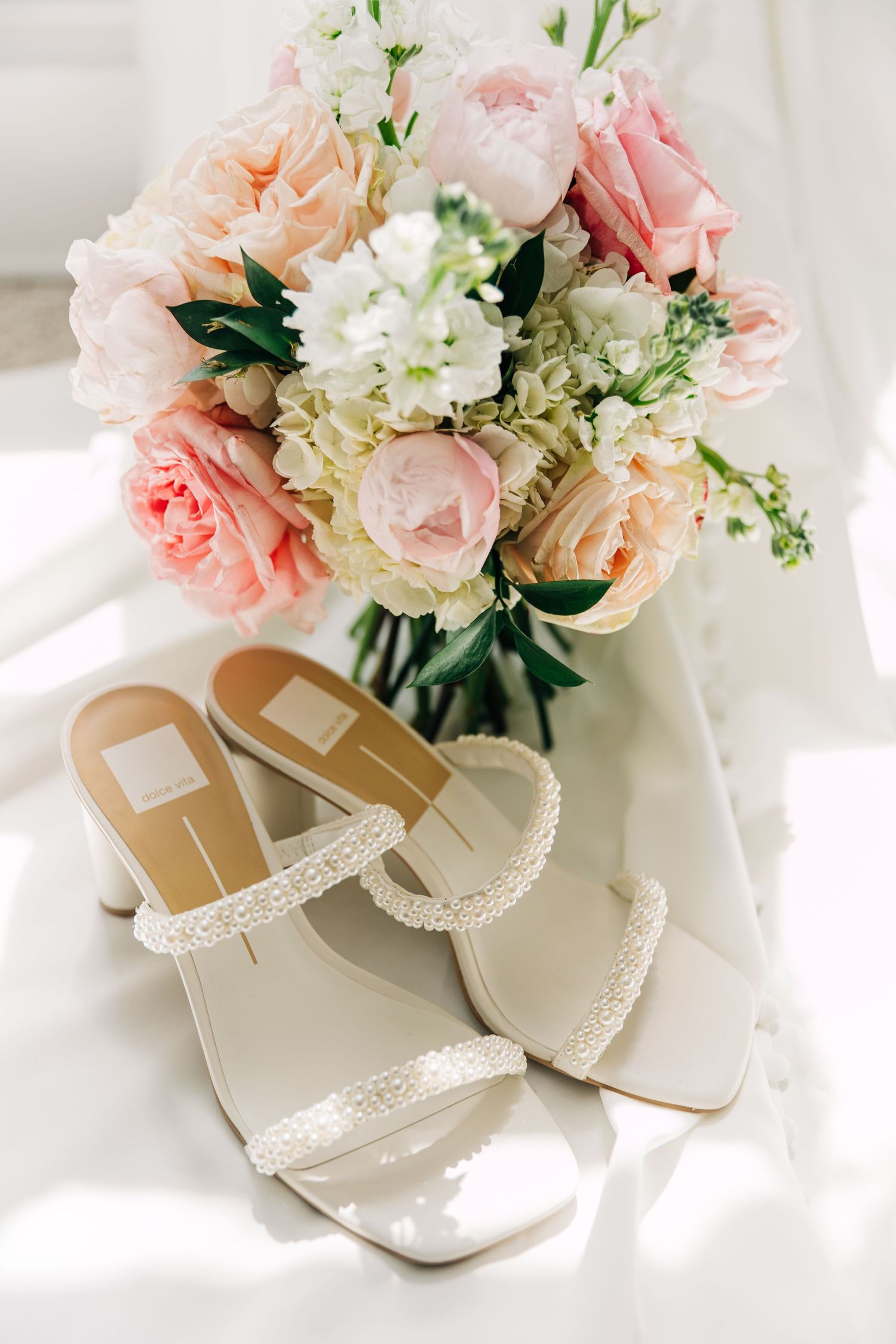
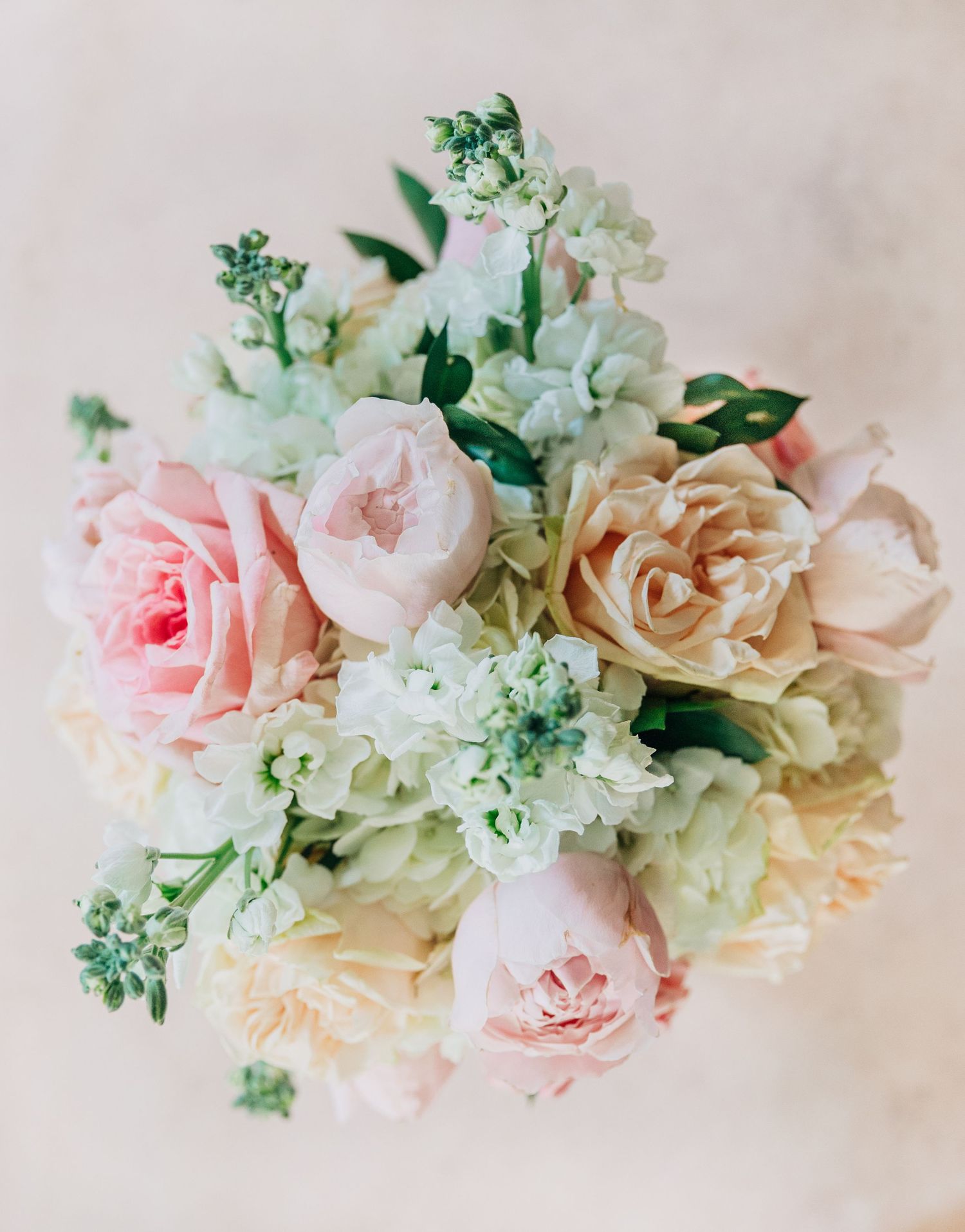
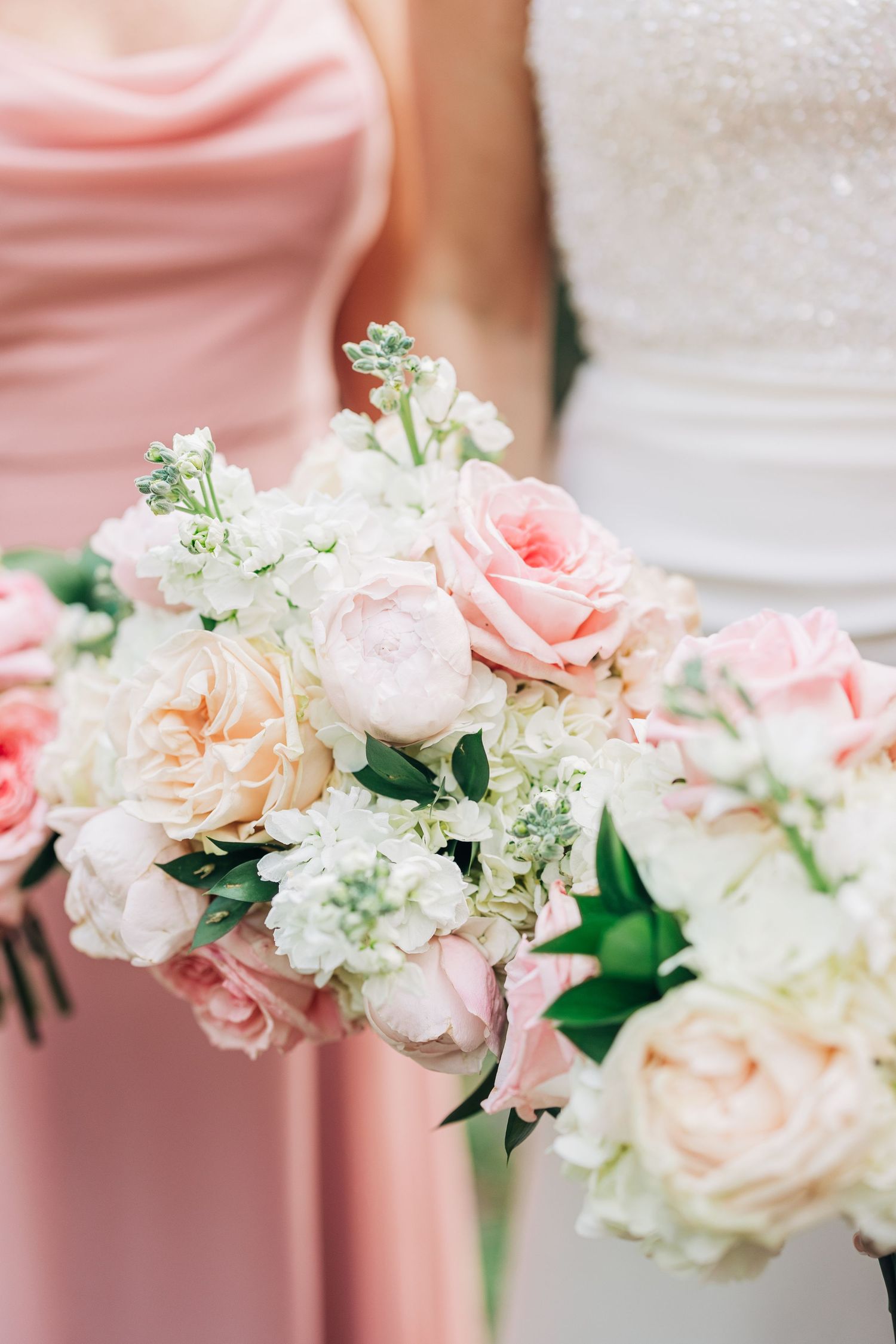
Start With Your Wedding Style (and Your Photos in Mind)
Before selecting flowers, step back and look at the overall vision for your day.
- Is your wedding romantic and garden-inspired?
- Clean and modern?
- Classic and timeless?
- Relaxed and organic?
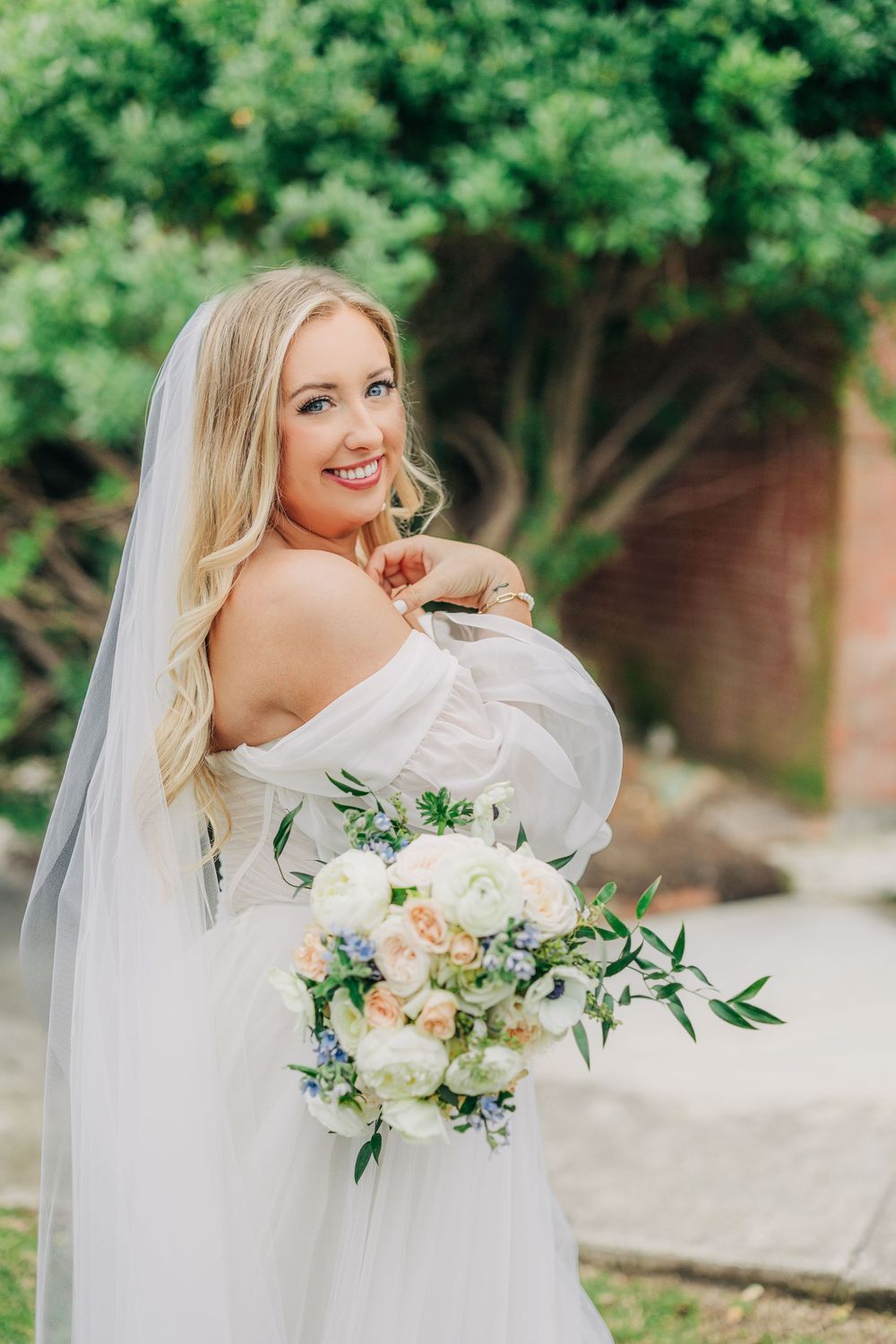
Your bouquet should feel like a natural extension of your setting and design. It should photograph that way, too. Florals that align with your environment help your images feel cohesive, timeless, and intentional rather than trendy or mismatched. A soft, loose bouquet with movement pairs beautifully with an outdoor or estate wedding, while a structured bouquet with clean lines often complements a modern or formal venue.
Consider Your Dress First (It Matters More Than You Think)
Your gown plays a huge role in shaping your bouquet.
- Detailed or embellished dresses pair best with simpler bouquets so the two don’t compete.
- Minimal or classic gowns allow room for more texture, color, or floral variety.
- Flowy or bohemian dresses look stunning with loose, organic arrangements.
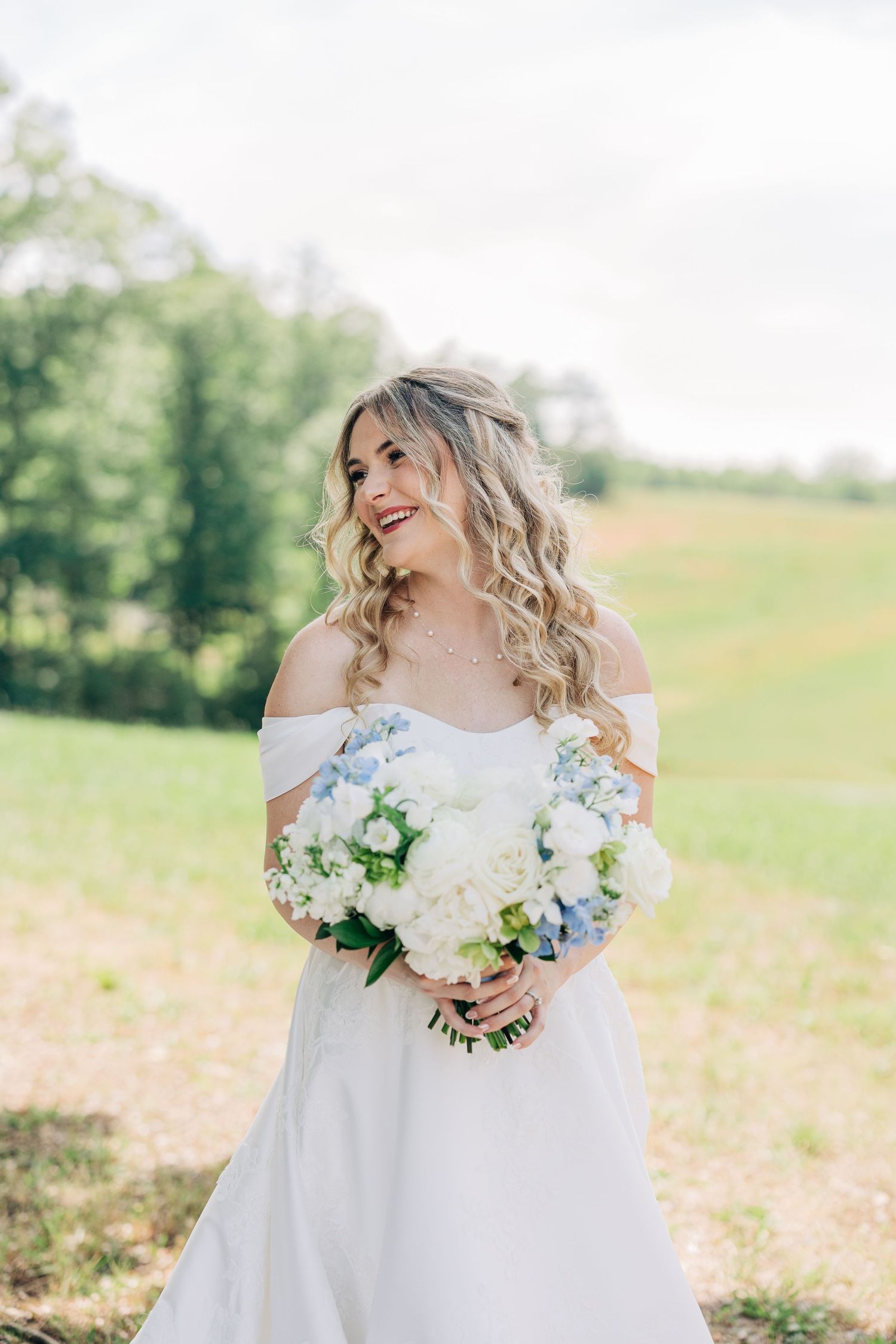
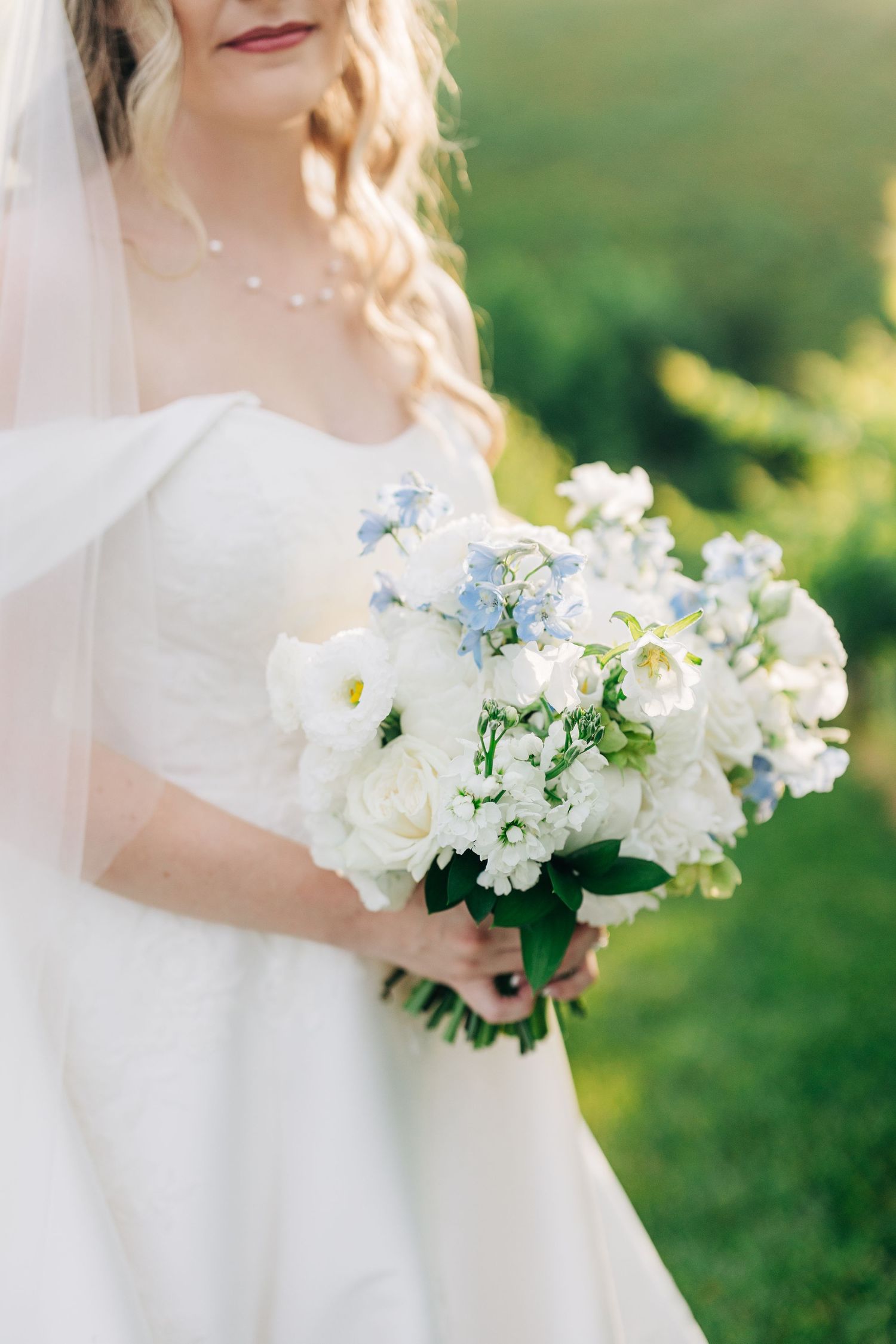
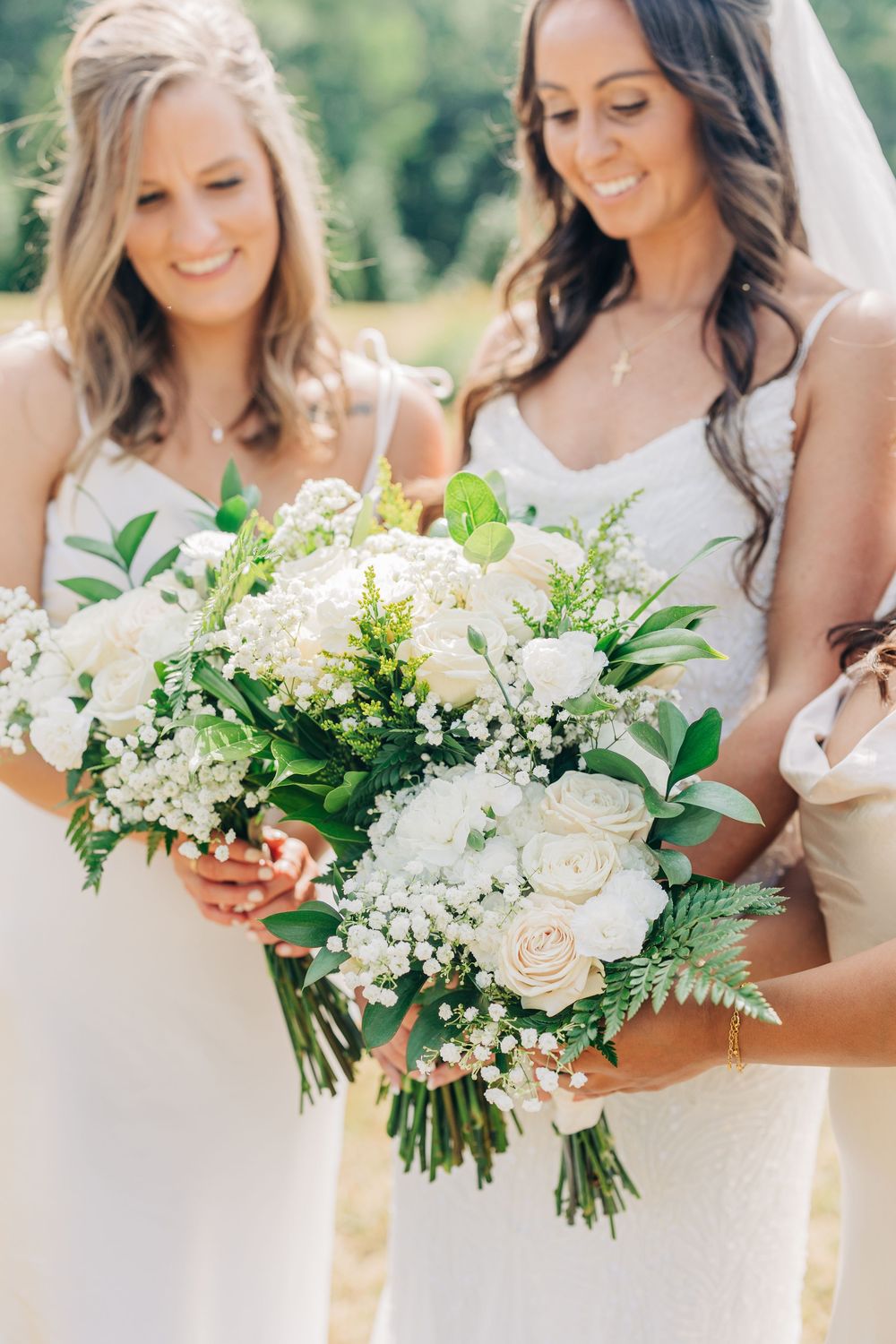
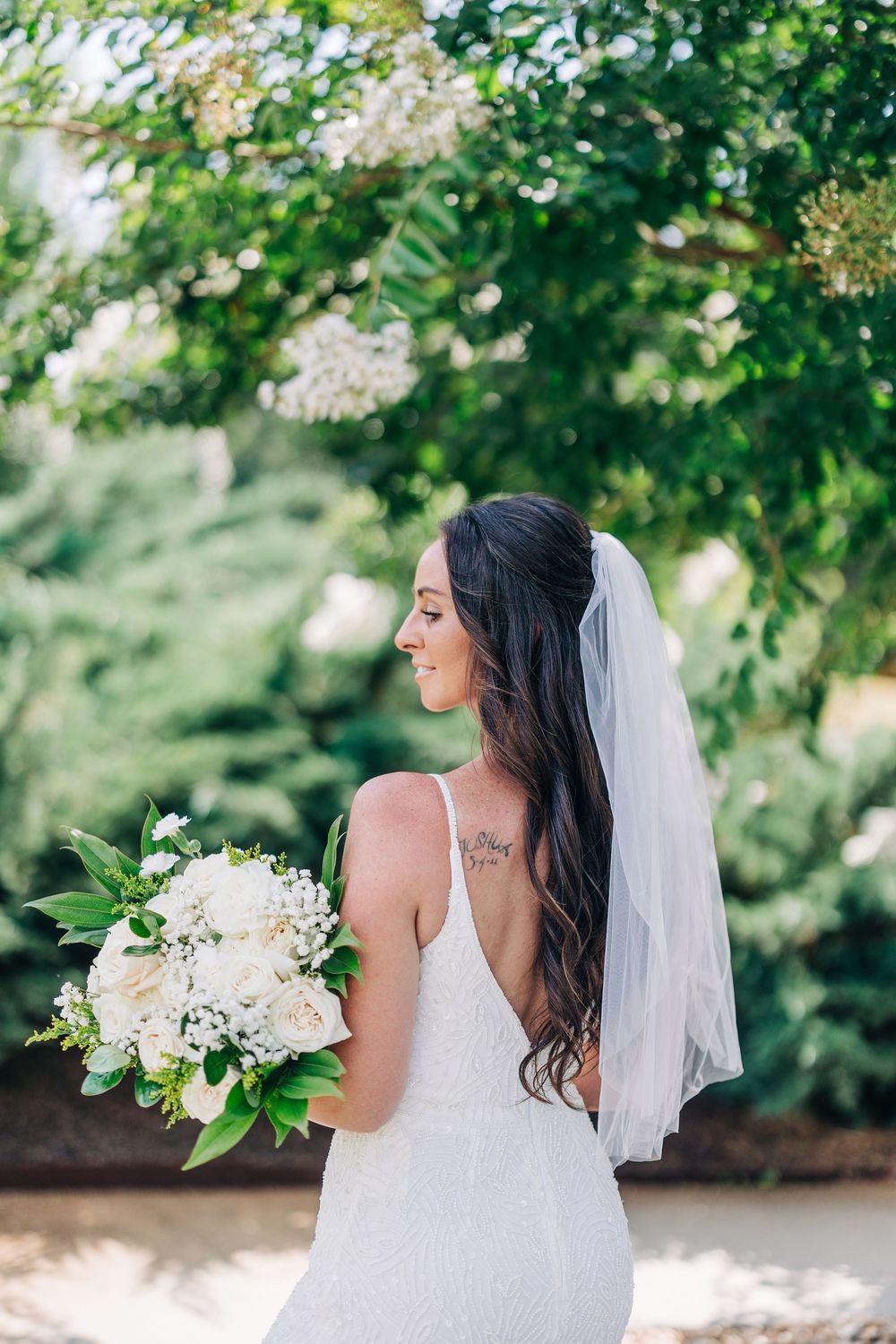
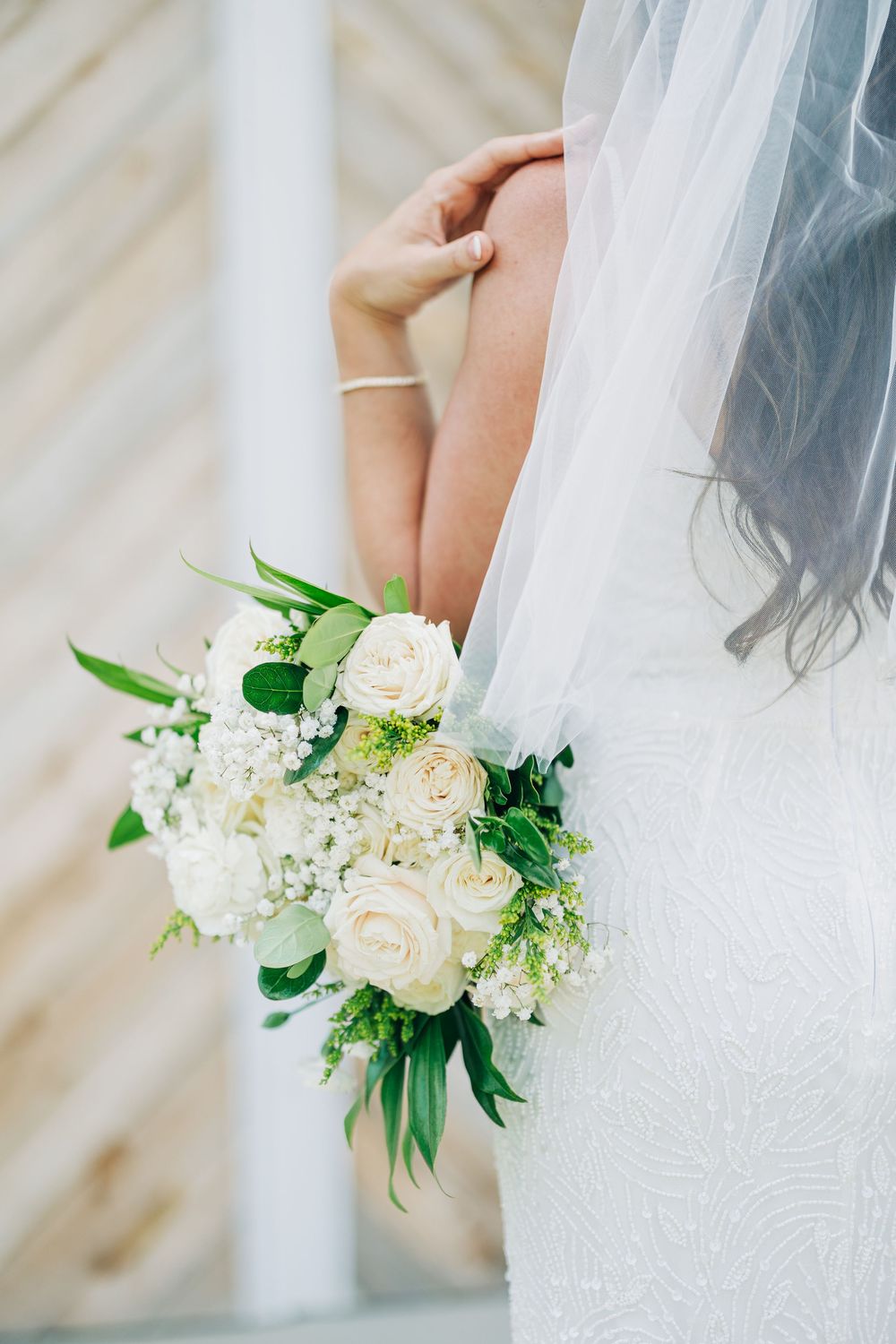
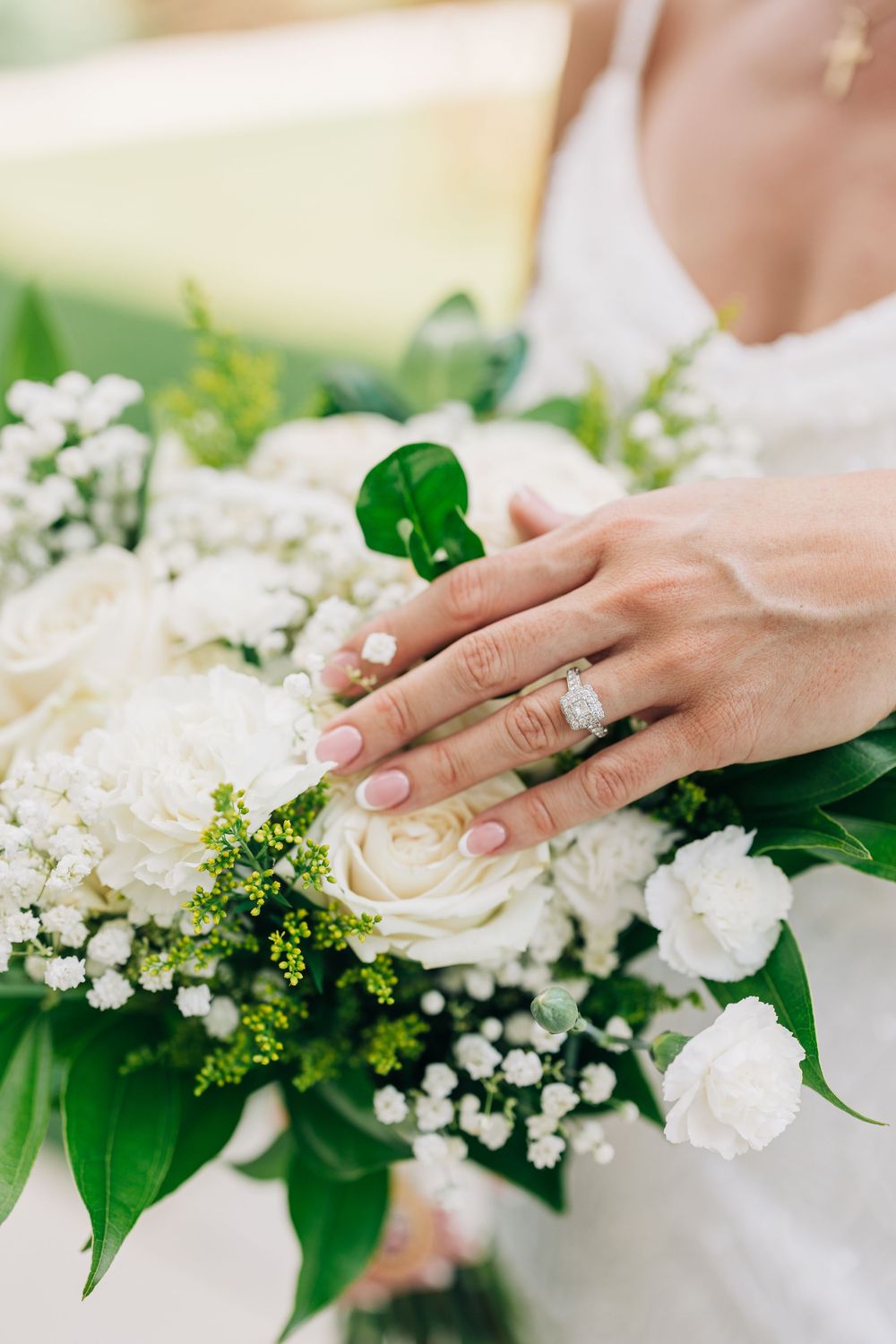
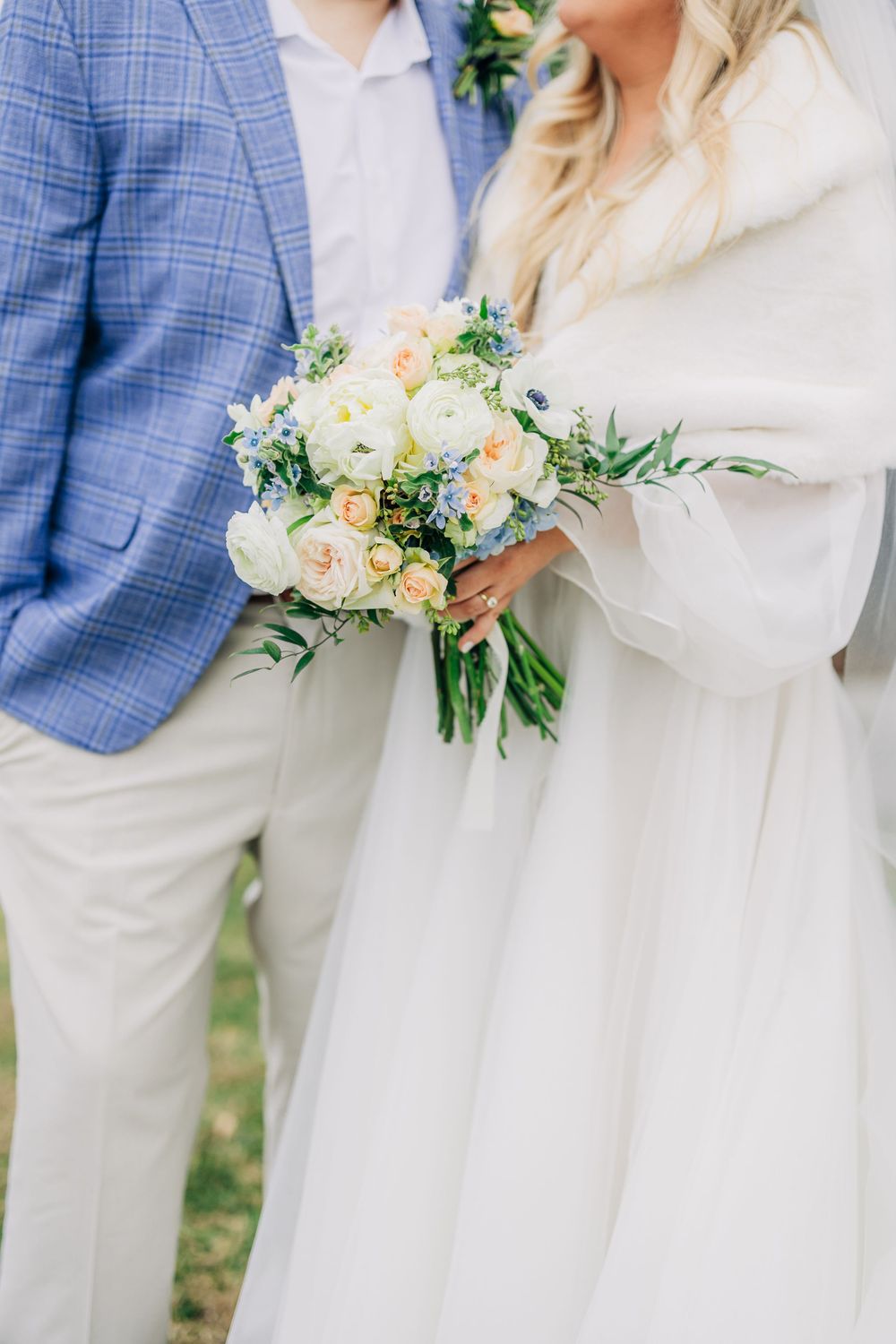
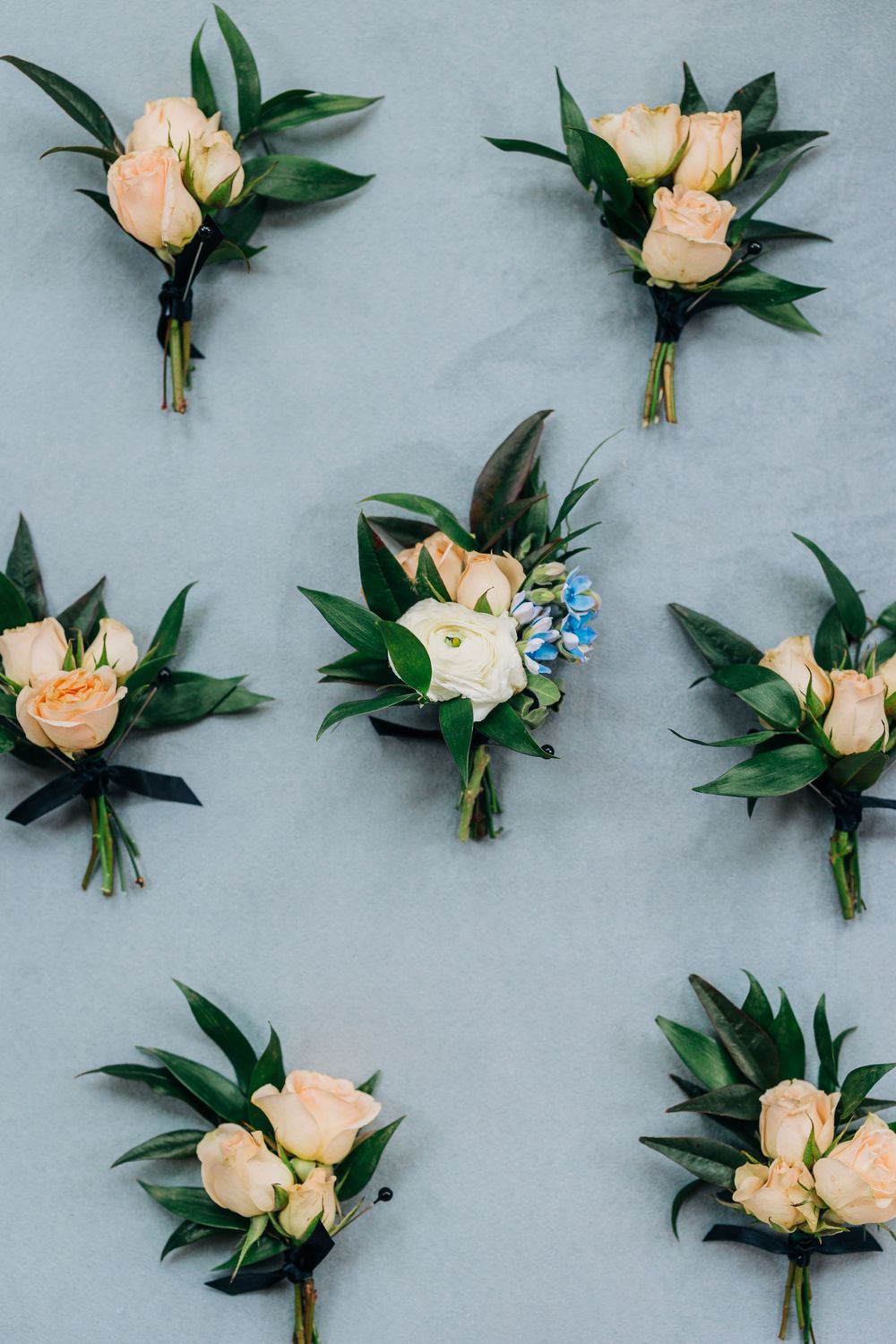
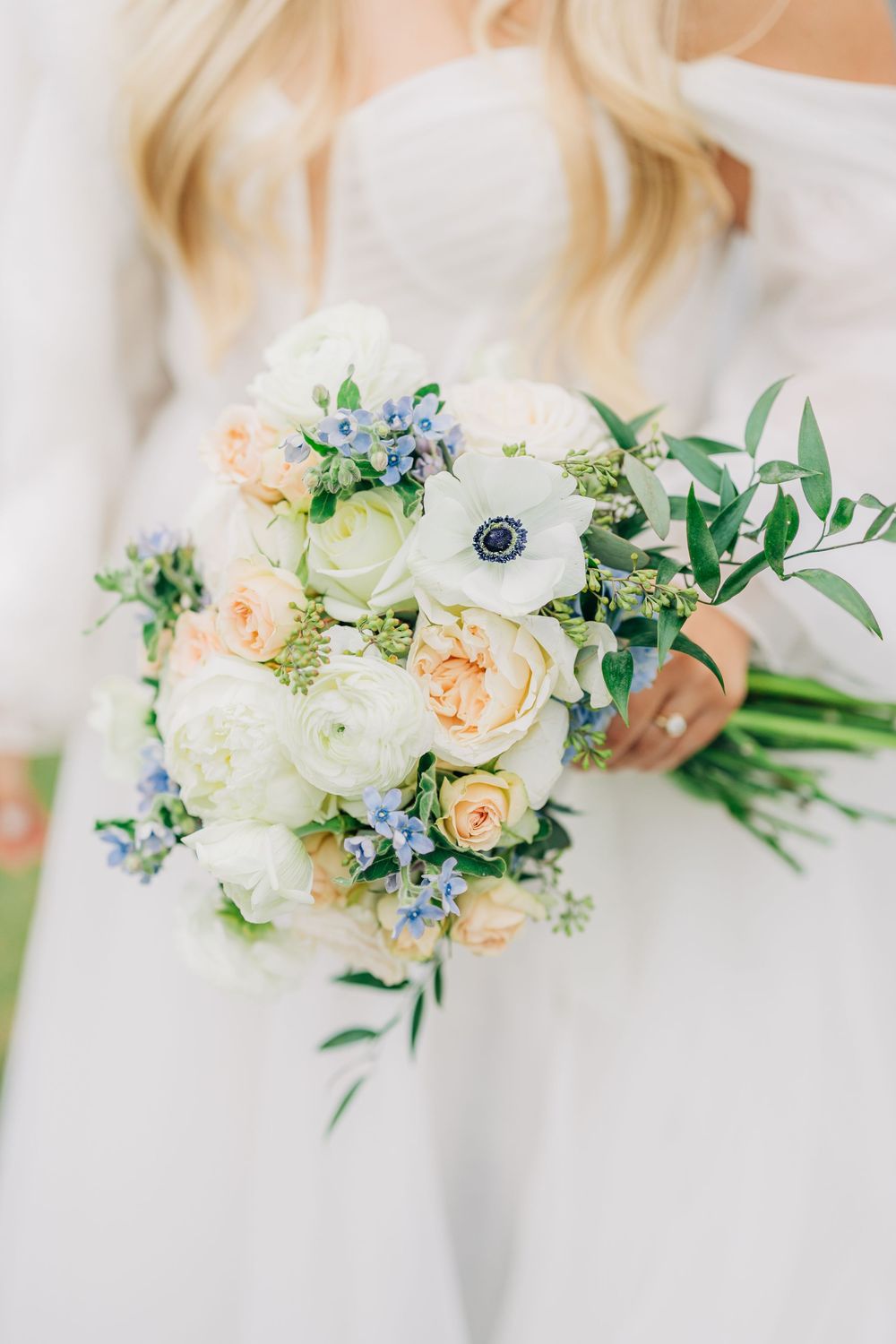
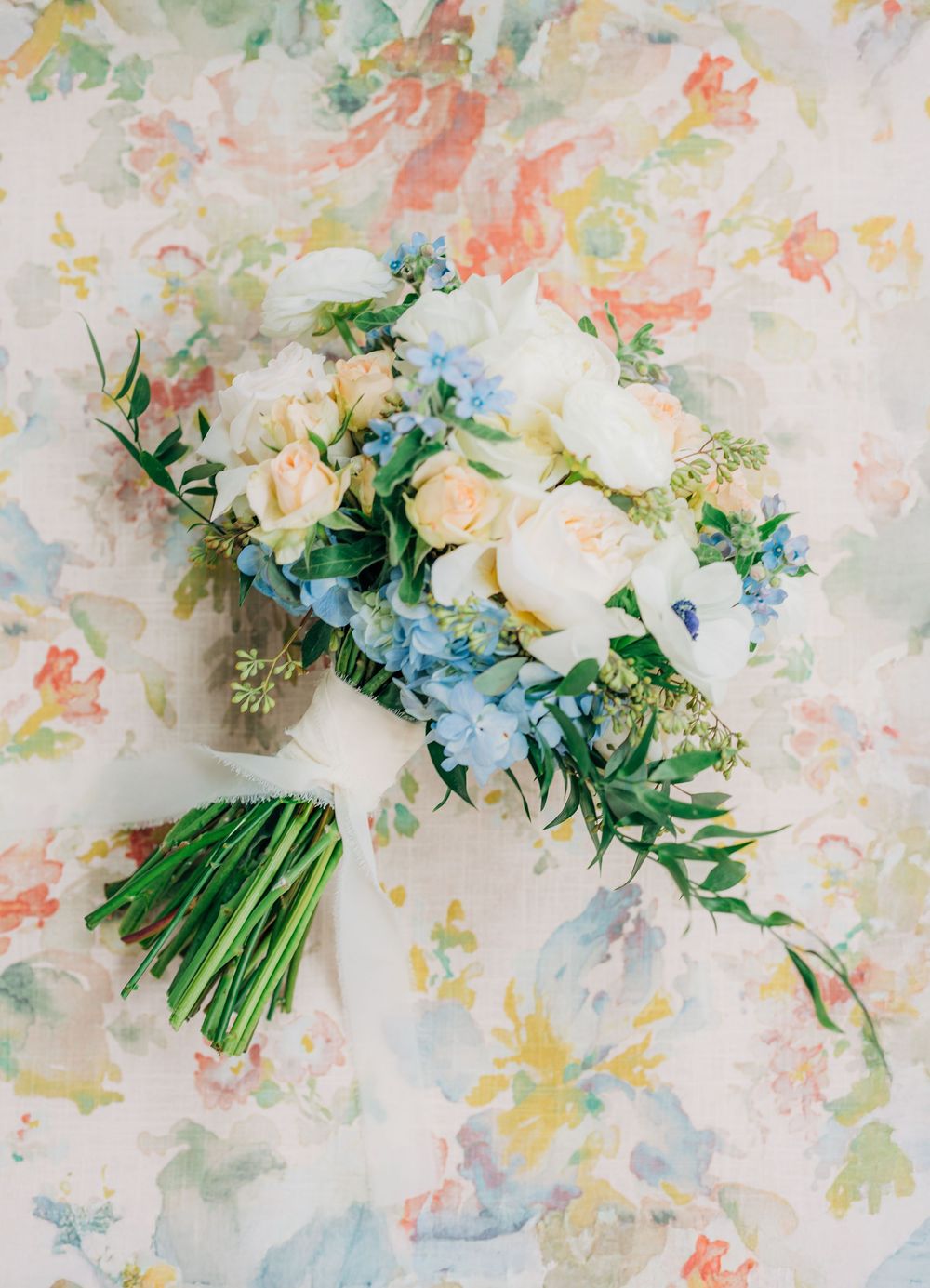
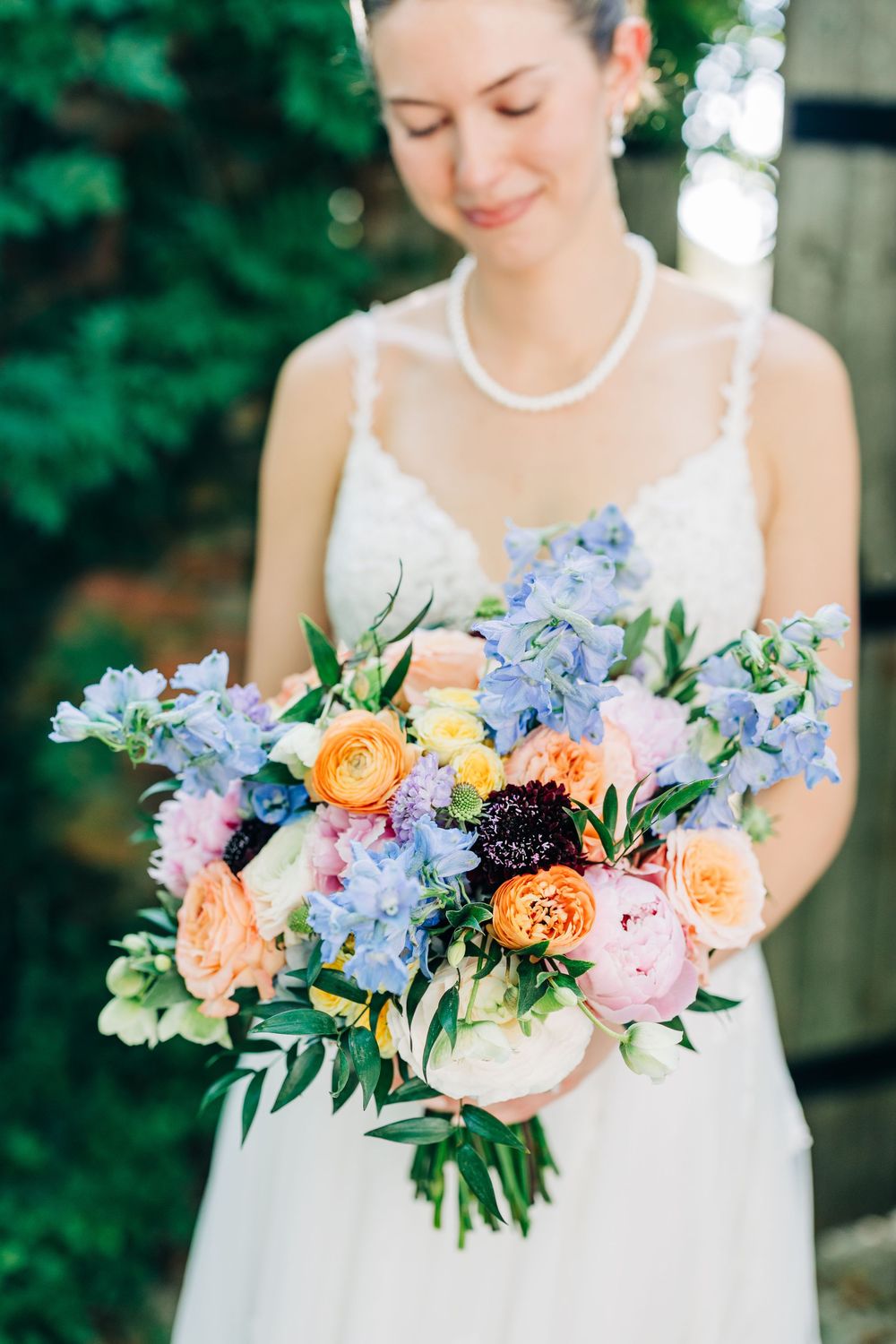
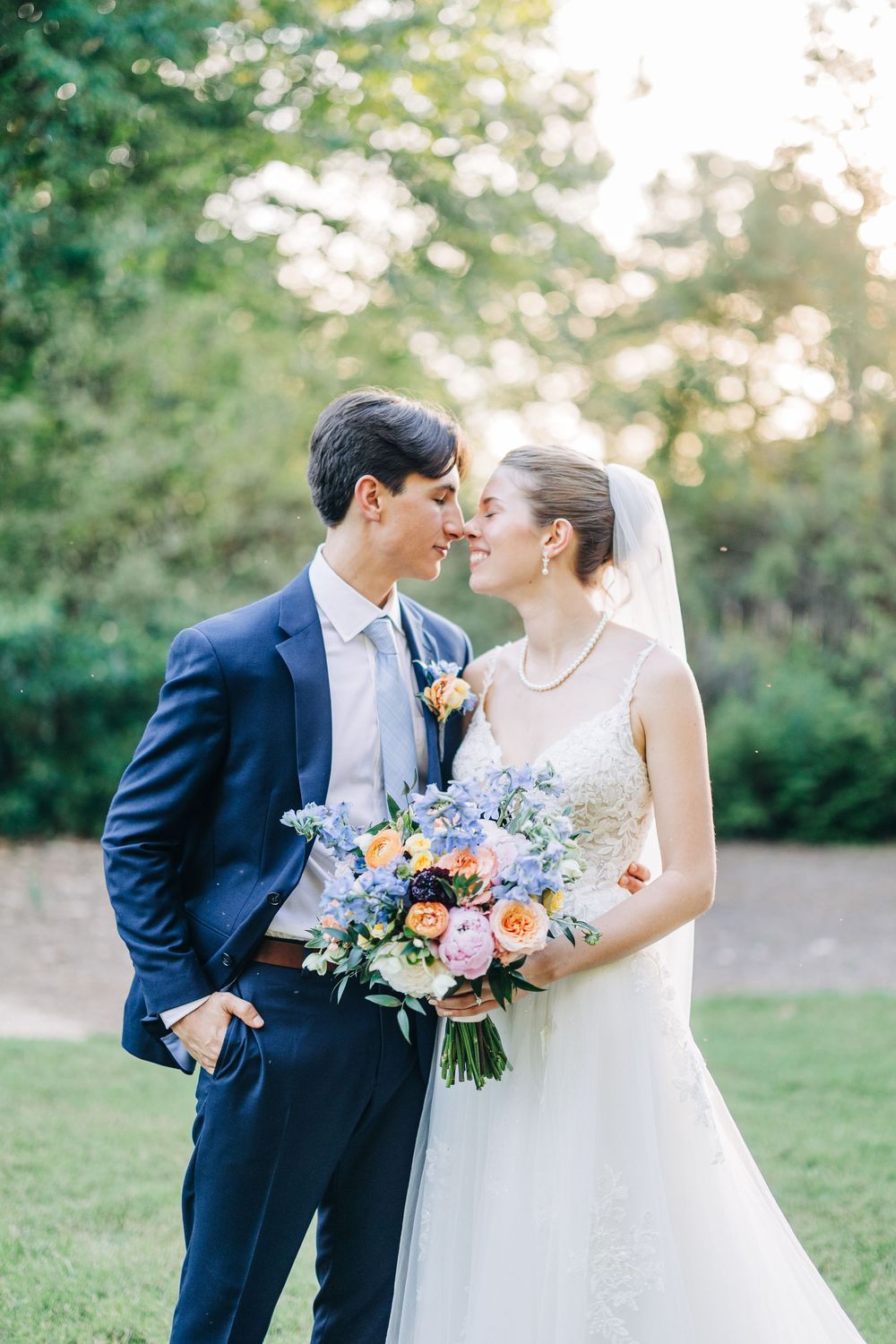
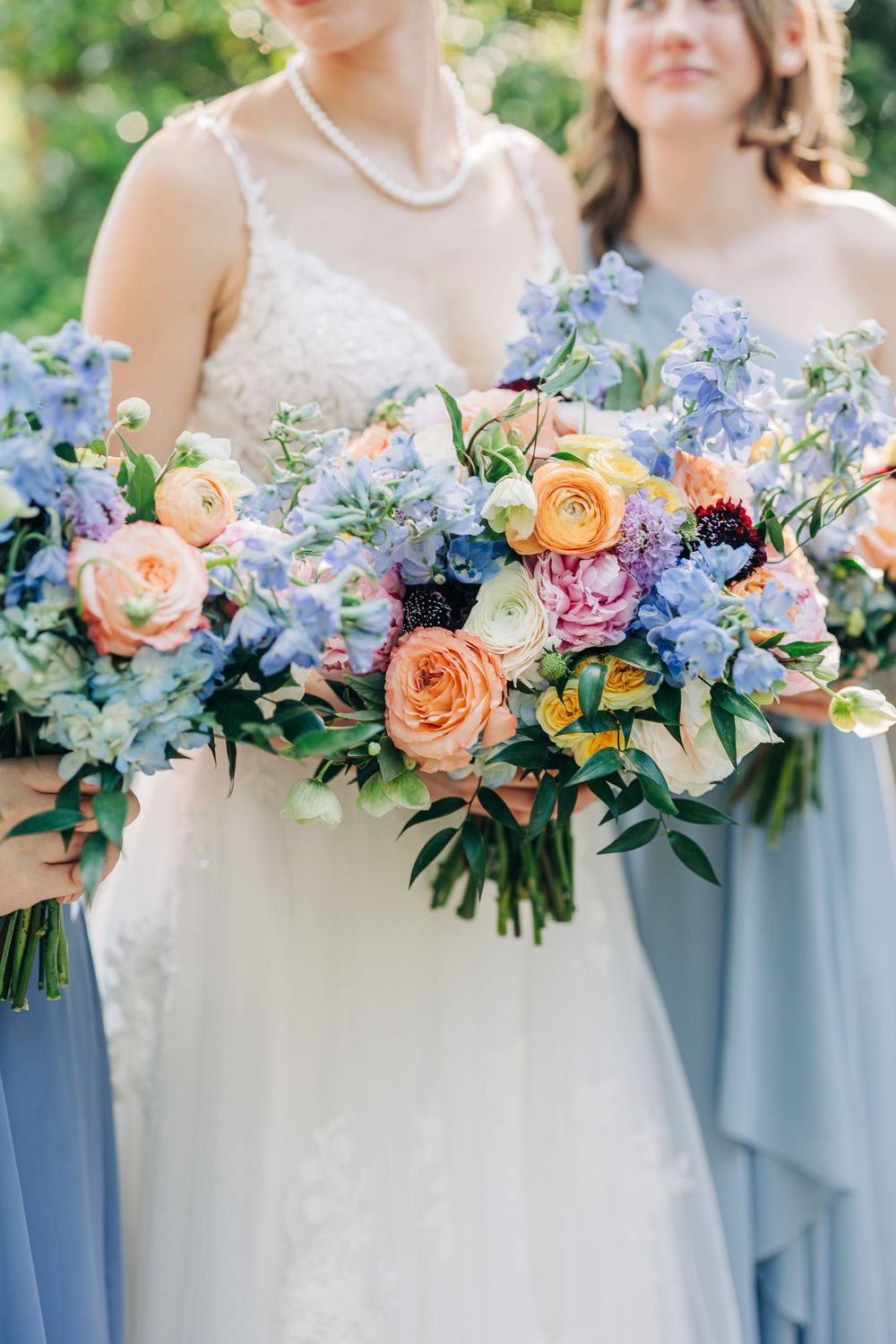
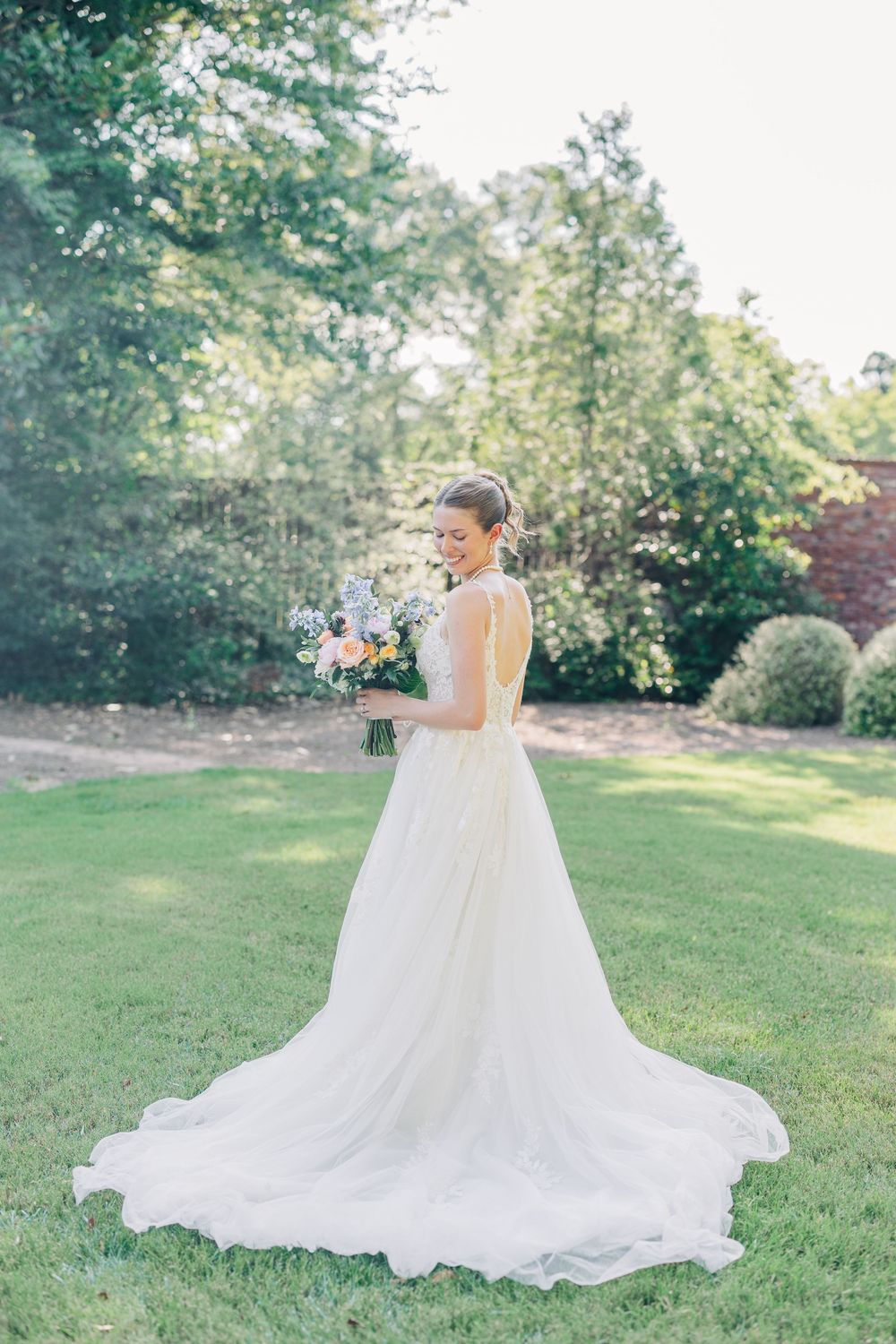
Think of your bouquet as an accessory! It should enhance your dress, not overpower it. From a photography perspective, balance is key. When bouquet scale and dress design work together, your portraits feel effortless and elegant. Example of the perfect bouquet with dress neck line below. You can see in the middle photo where the bouquet is against Taylor, it follows her neckline. A plus for their floralist.
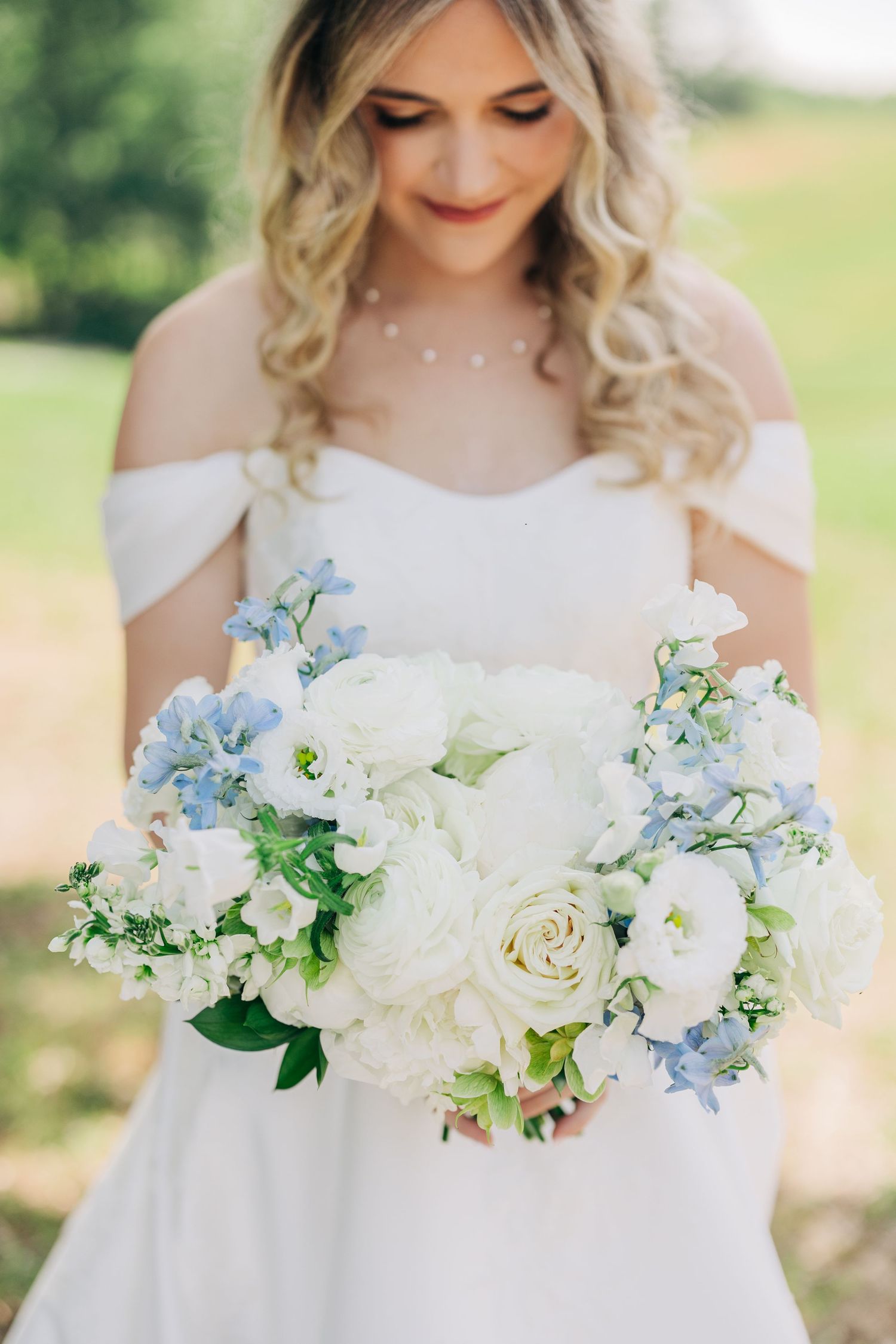
Choose a Color Palette That Photographs Beautifully
Your bouquet doesn’t have to match everything, but it should feel connected.
Many brides choose:
- Soft neutrals for a timeless look
- A pop of color that ties into bridesmaid dresses or linens
- Seasonal hues that reflect the time of year
White and neutral bouquets will always photograph beautifully in any lighting scenario, while subtle color can add depth and personality when used intentionally. Avoid overly saturated colors if you’re aiming for a soft, timeless look in your images.
Think About Scale and Proportion for Flattering Portraits
One of the most common mistakes brides make is choosing a bouquet that’s too large or too small.
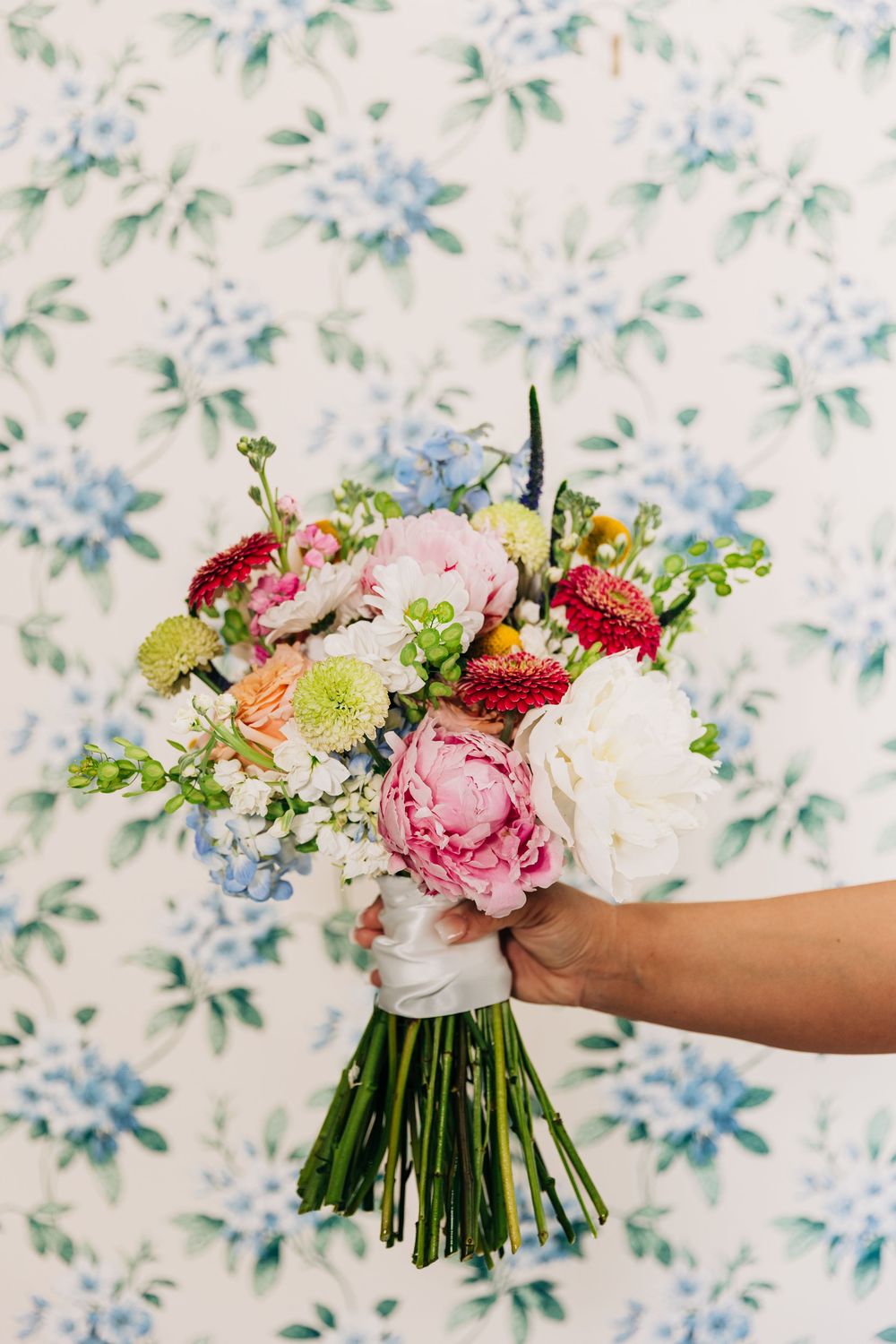
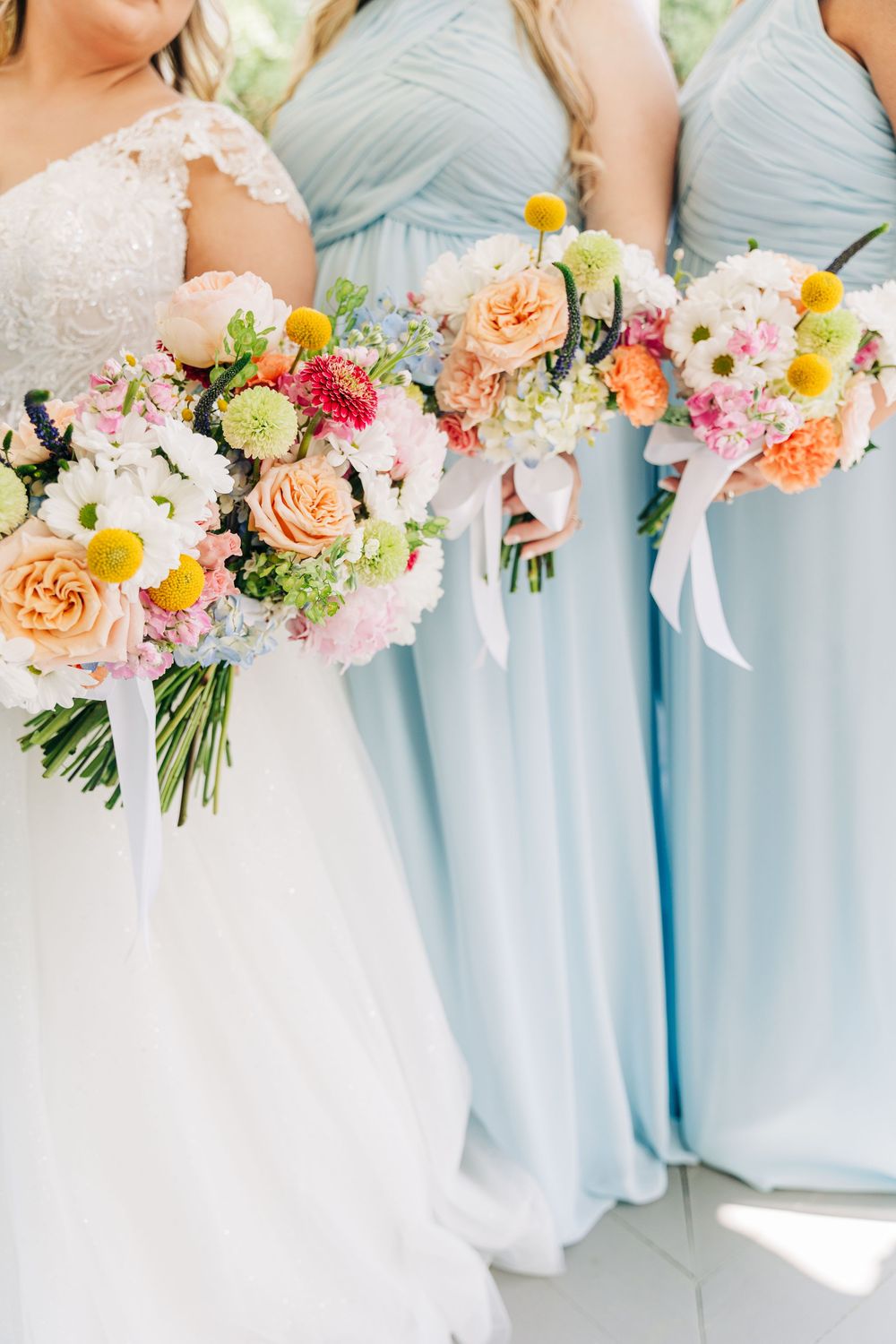
Your height, body type, and dress silhouette all matter, especially in photos. A well-proportioned bouquet helps keep the focus on you, rather than pulling attention away or feeling visually heavy in portraits. Petite brides often look best with a slightly smaller, balanced bouquet, while taller brides can carry a fuller arrangement with ease. Your florist can help adjust scale so the bouquet feels natural in your hands and photographs well.
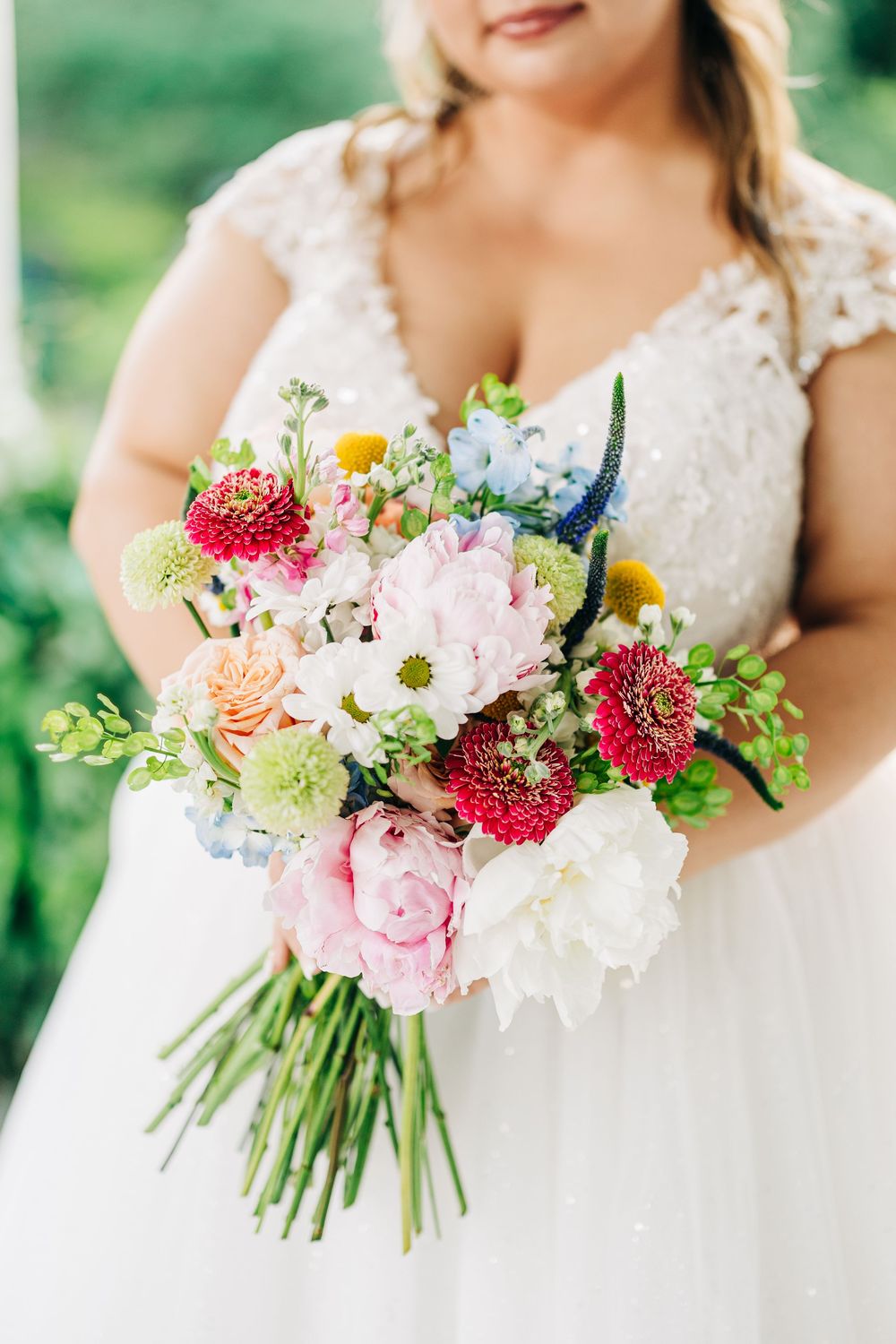
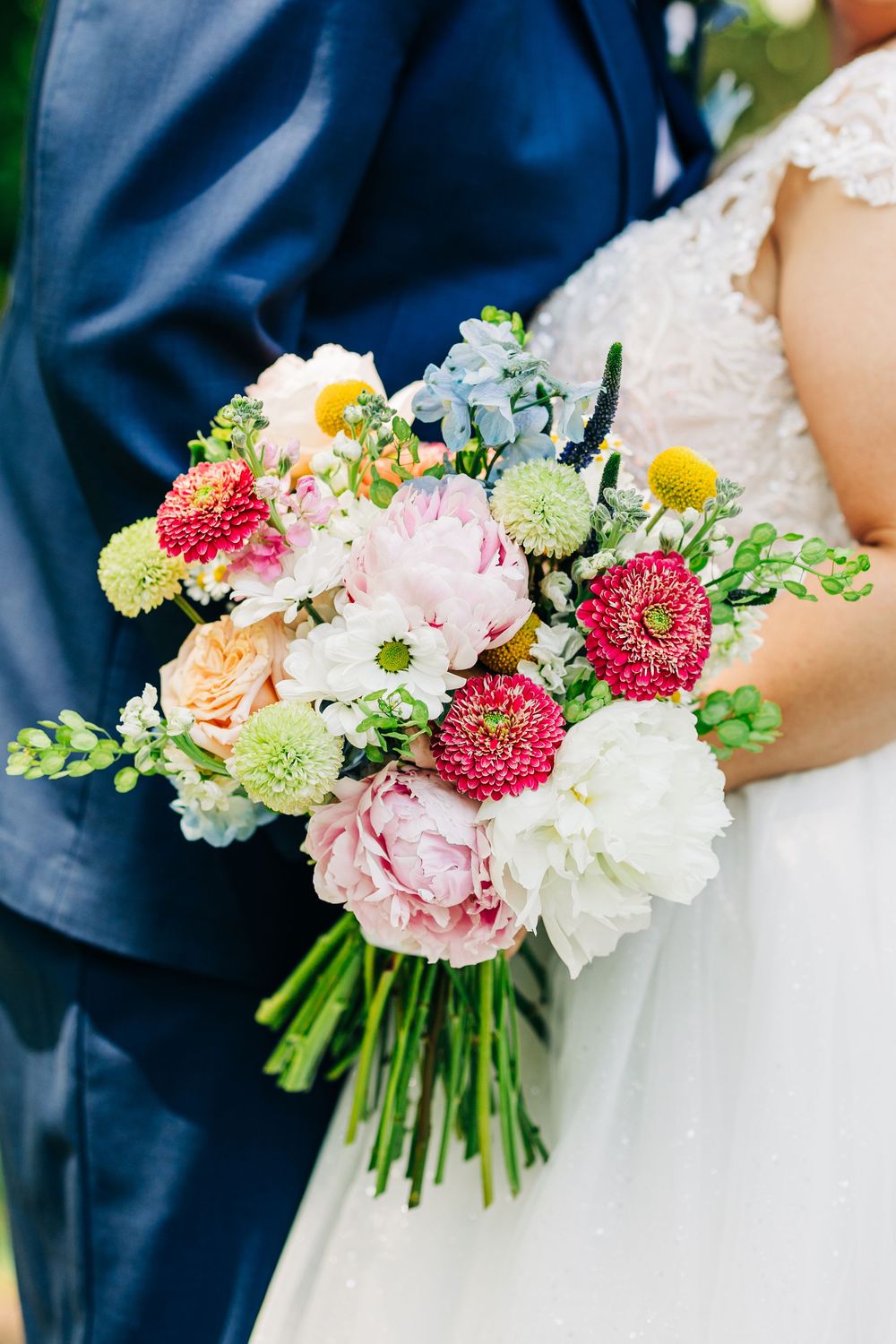
Let the Season Guide You (Your Florist and Photographer Will Thank You)
Seasonal flowers are often fresher, more affordable, and naturally aligned with your wedding date.
- Spring: ranunculus, tulips, peonies, sweet peas
- Summer: garden roses, dahlias, hydrangea
- Fall: roses, chrysanthemums, textured greenery
- Winter: anemones, hellebore, evergreens
Trusting seasonal blooms often results in a bouquet that feels effortless and timeless. They hold up better throughout the day, which means it looks fresh in photos from the ceremony through the reception.
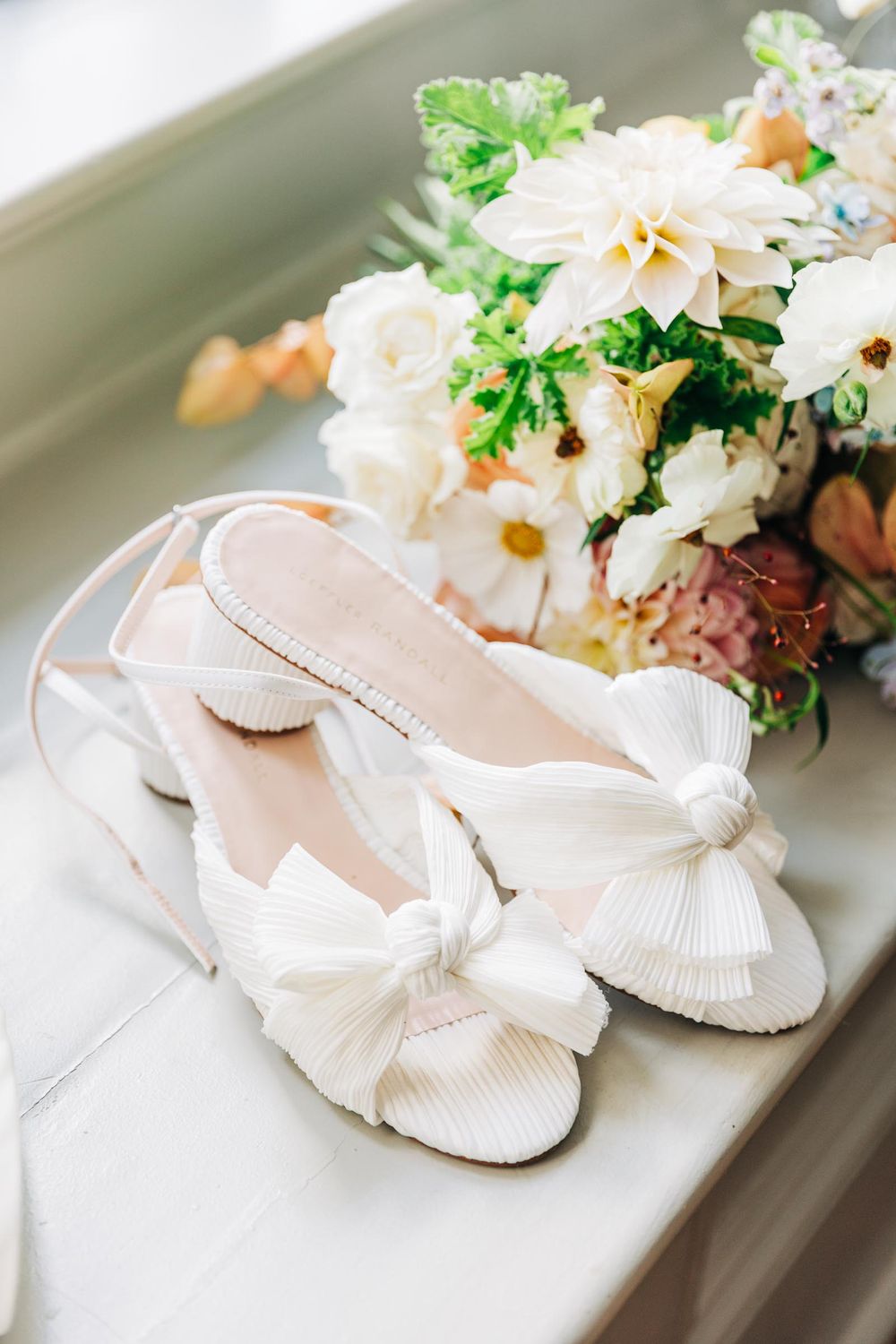
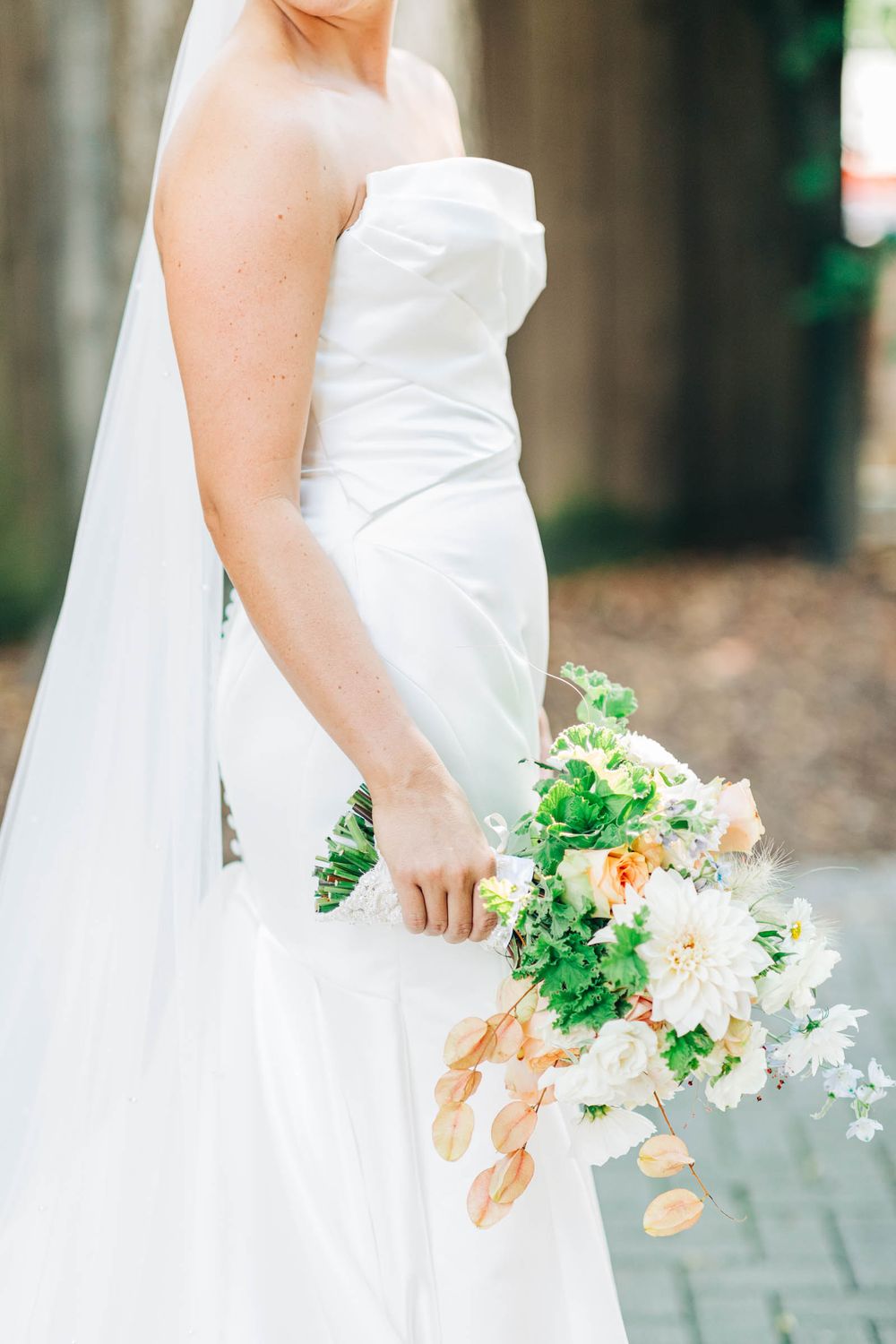
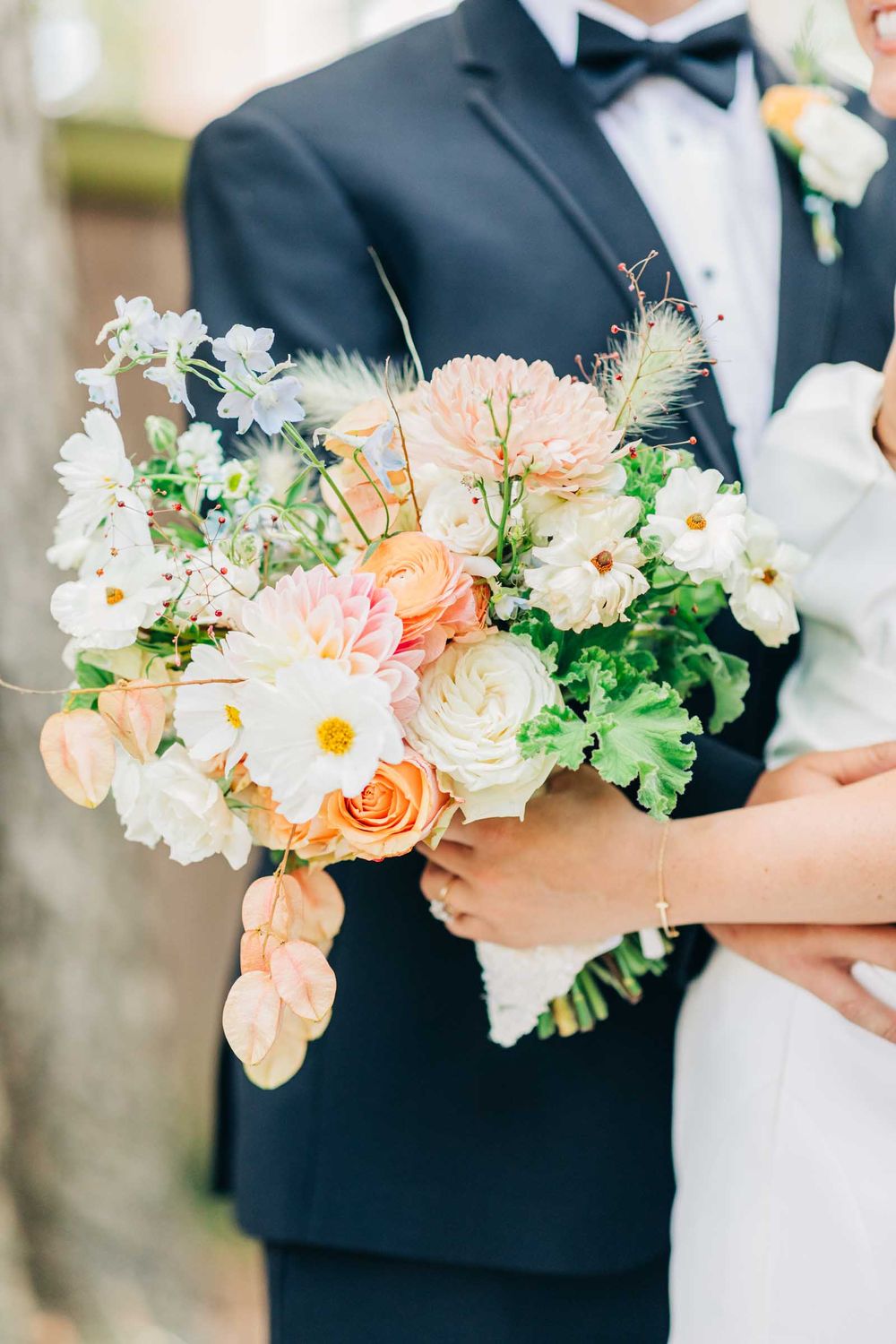
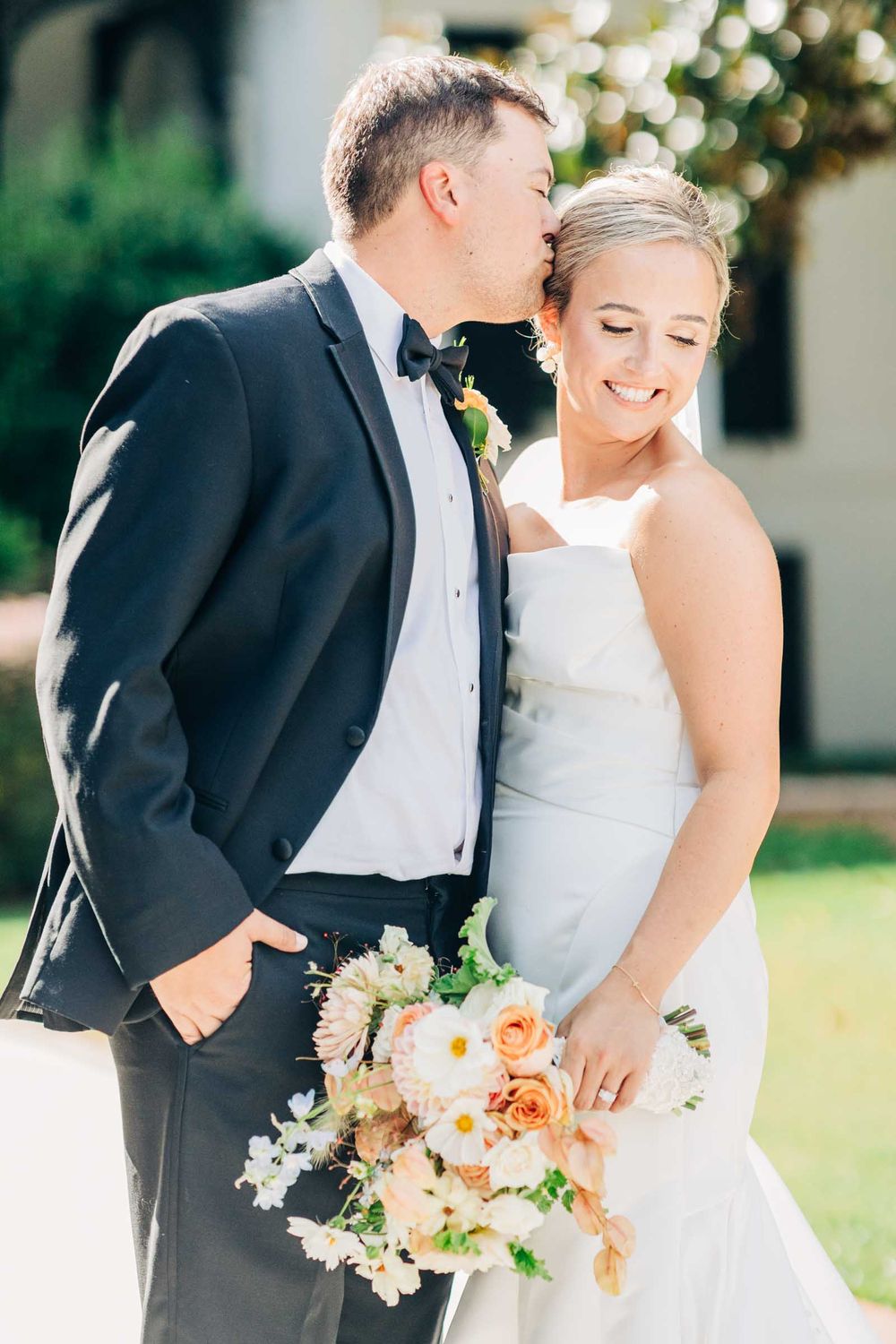
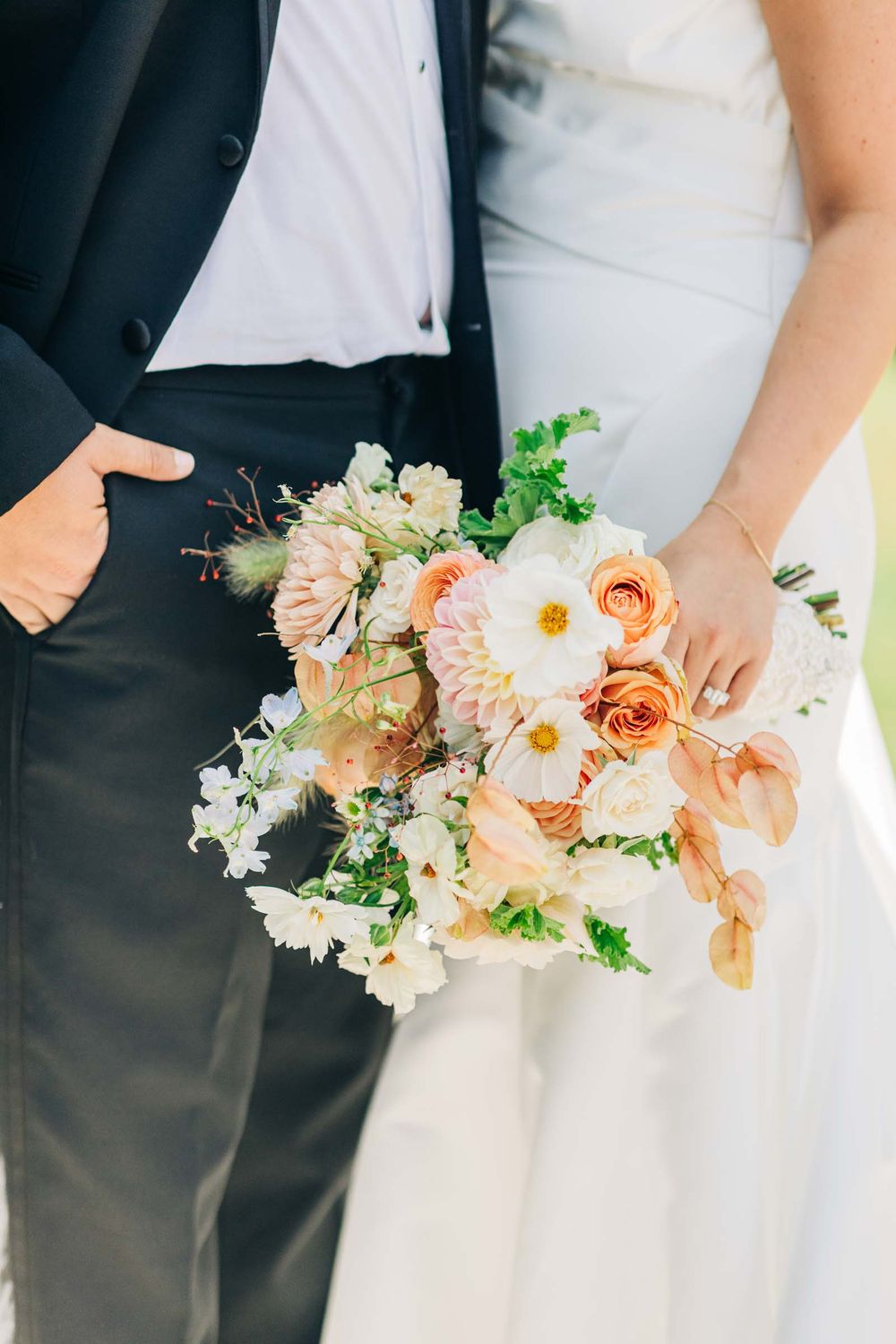
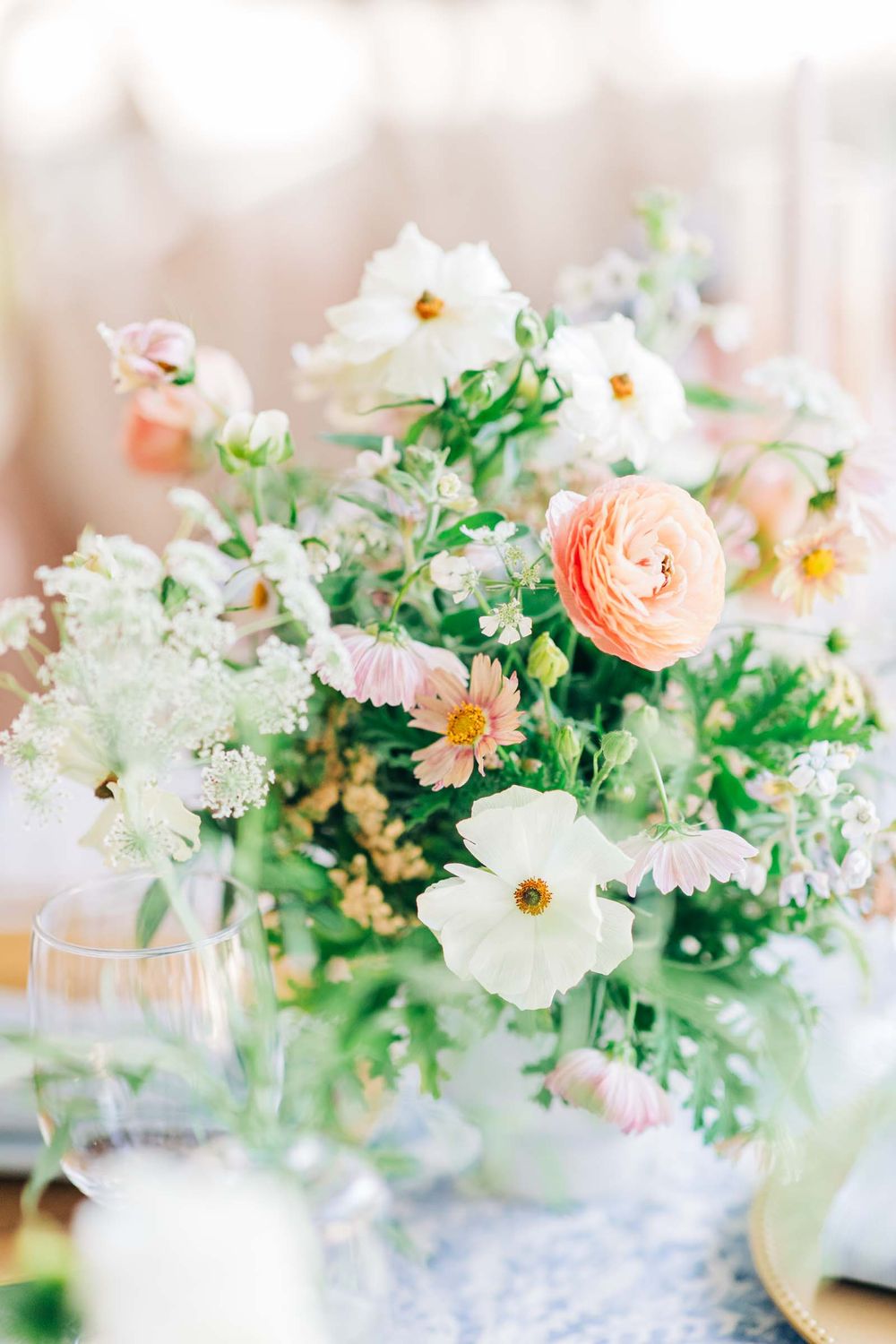
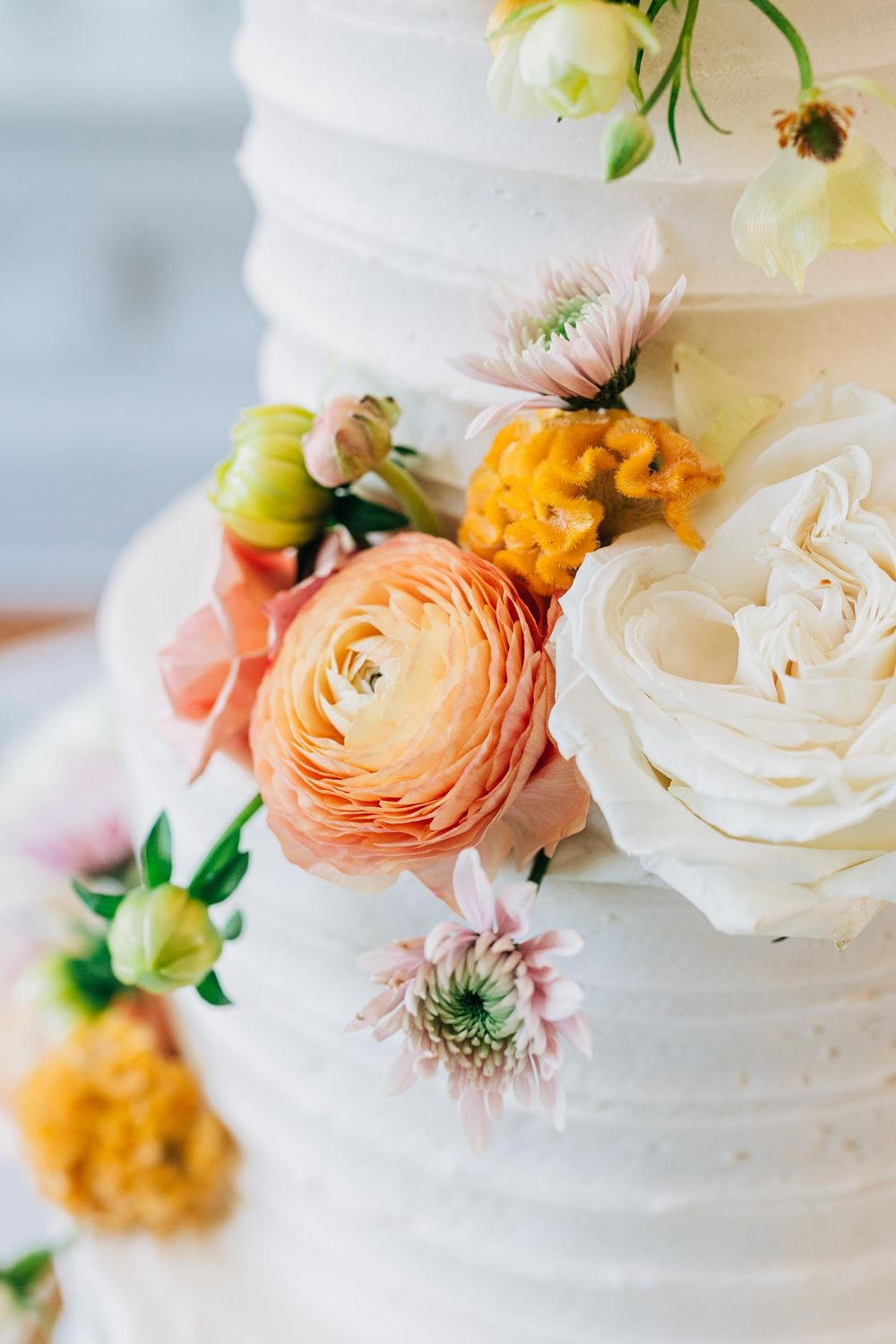
Decide on Shape and Structure That Complements Your Wedding Aesthetic
Bouquets come in many styles, each creating a different feel:
- Loose and organic: romantic and natural
- Rounded: classic and timeless
- Cascading: dramatic and elegant
- Minimal or mono-floral: modern and refined
Your florist can help you choose a shape that complements your dress, venue, and overall aesthetic. From a photographer’s perspective, softer shapes often create more natural movement in portraits, while structured designs lend themselves to editorial-style imagery.
Add Meaningful Details That Tell Your Story
Some of the most beautiful bouquets include subtle, personal touches:
- A charm or heirloom tied into the ribbon
- Flowers that honor family traditions
- A wrap made from fabric with sentimental value
These small details often make your bouquet feel deeply personal and meaningful. They often become some of the most cherished close-up images in your wedding gallery.
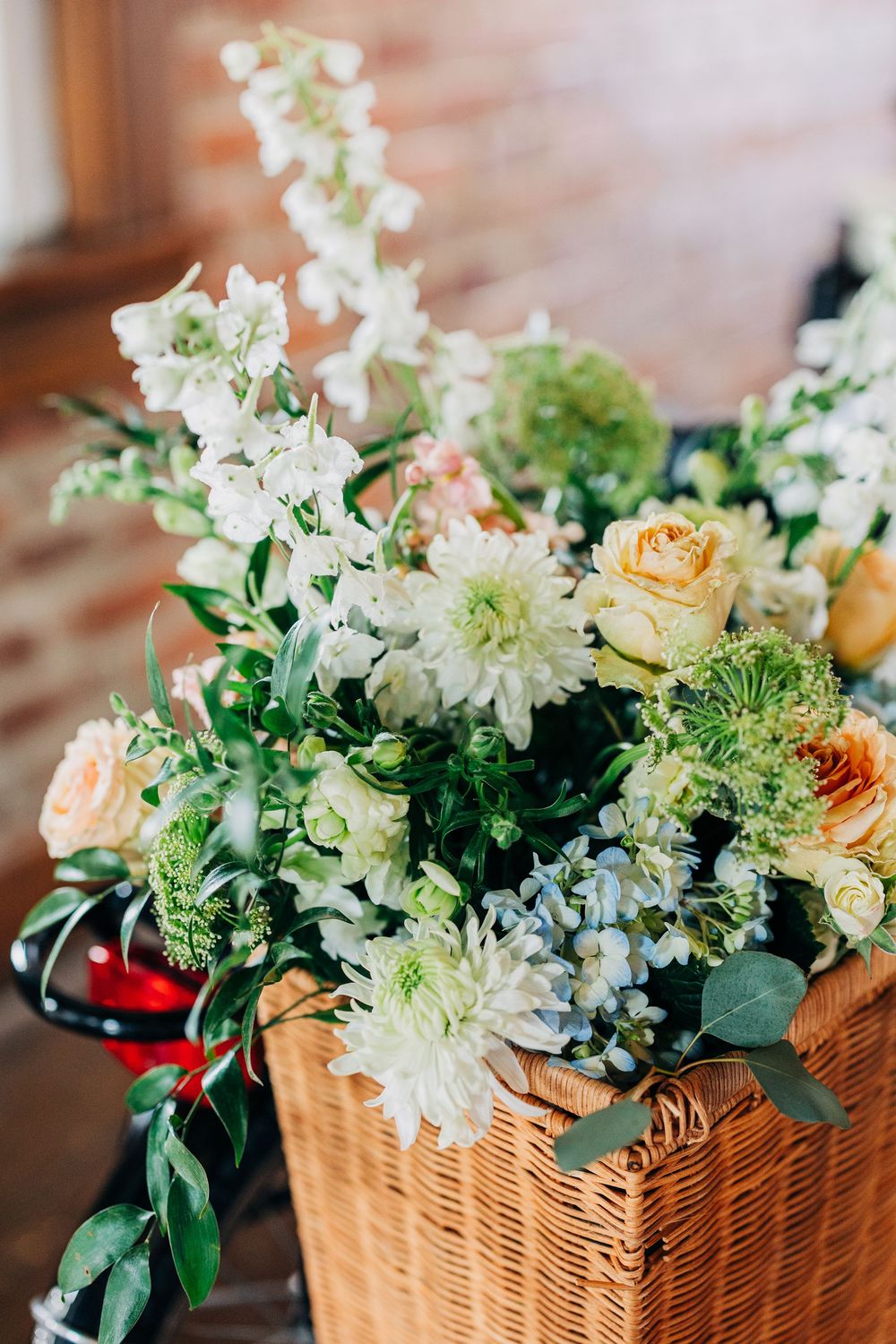
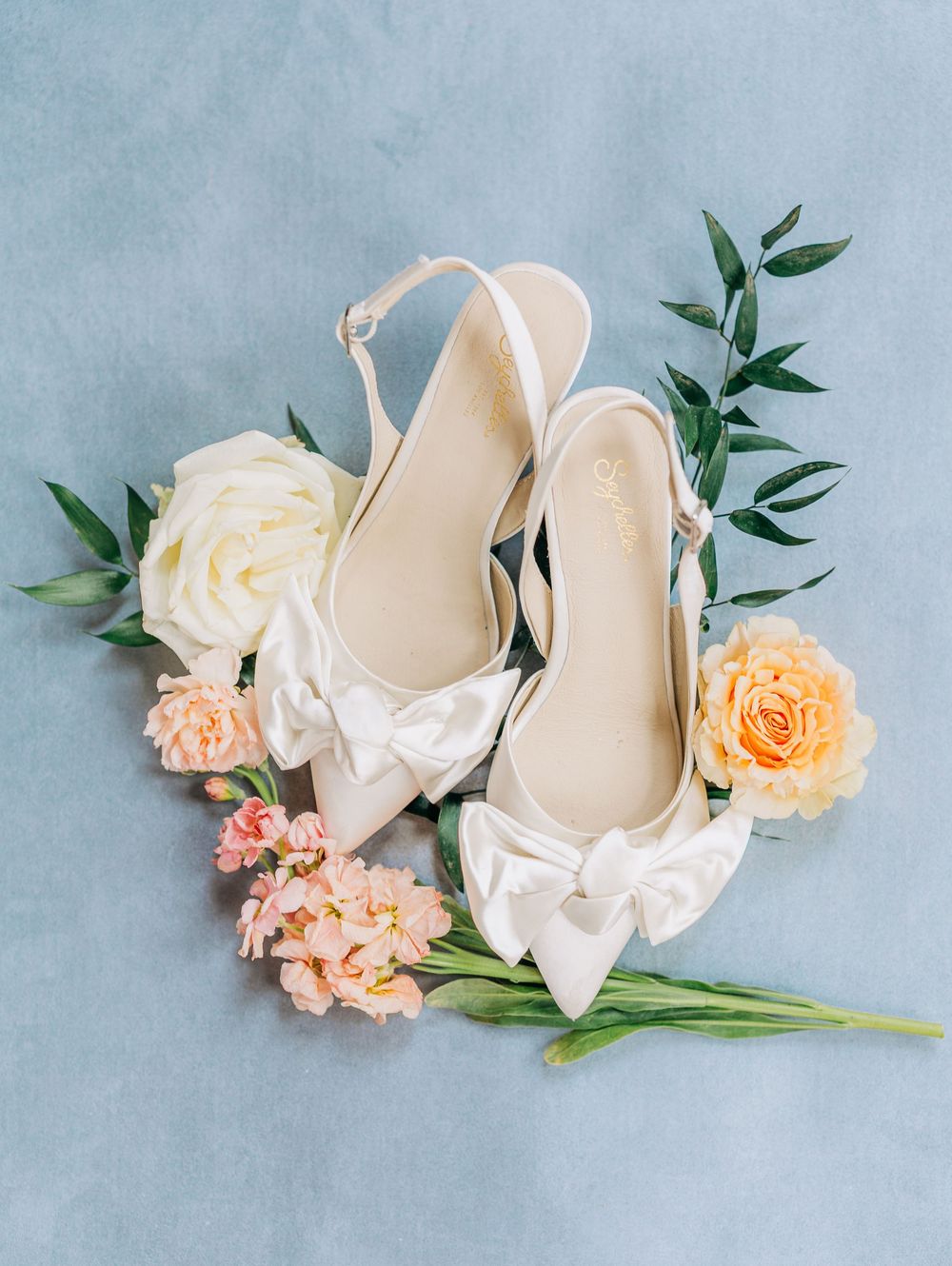
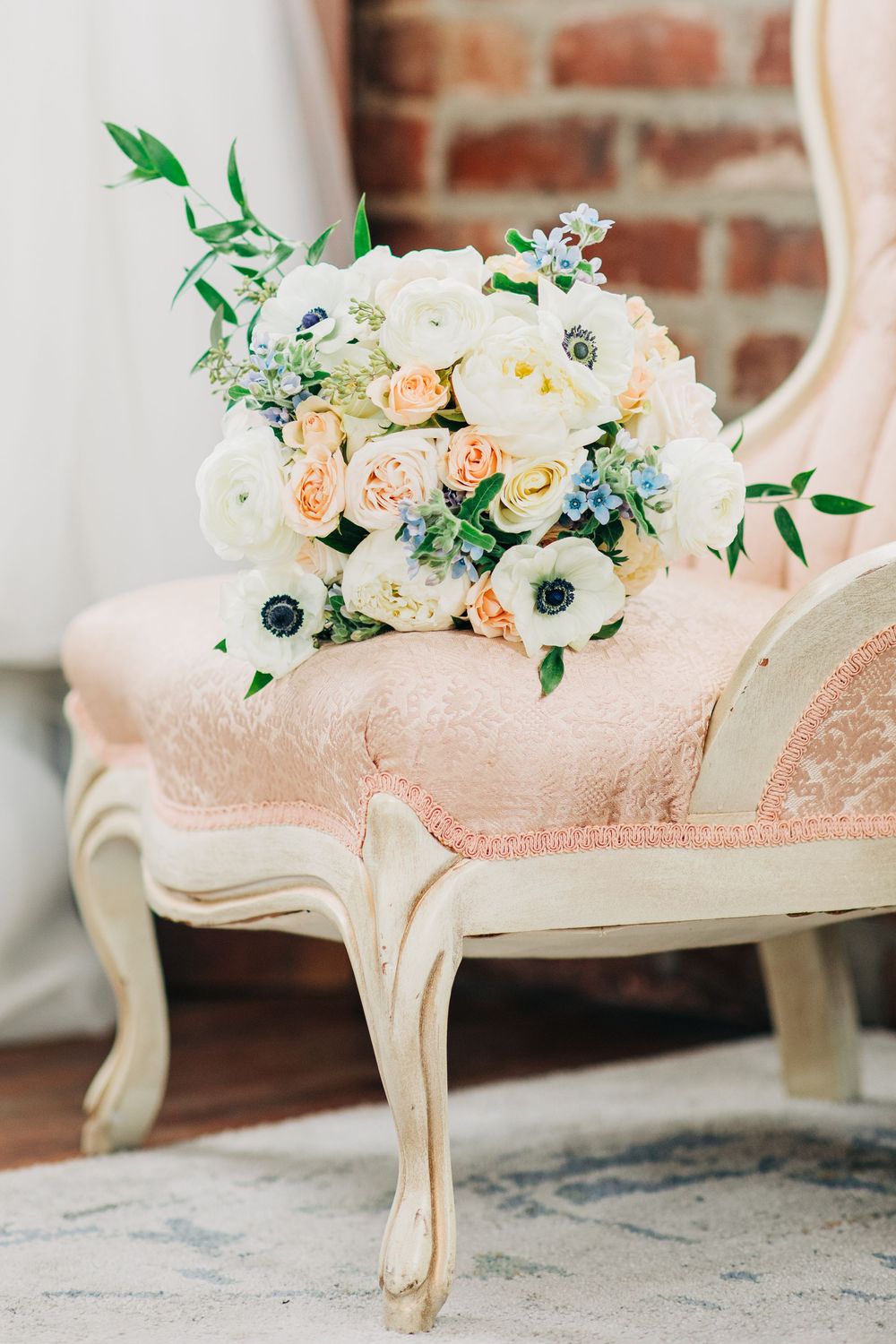
Trust Your Florist’s Expertise (and Communicate Your Vision Clearly)
Once you’ve shared your vision, colors, and preferences, trust your florist to bring it to life. They understand balance, seasonality, and how flowers will look throughout the day and in photographs.
Clear communication paired with trust often results in the most stunning designs. Sharing inspiration images with both your florist and photographer ensures your bouquet aligns beautifully with your overall wedding design and photography style.
Final Thoughts from a Wedding Photographer
Your wedding bouquet doesn’t need to follow trends; it should reflect you. When thoughtfully chosen, it enhances your photos, complements your design, and becomes part of the story you’ll relive every time you look back at your wedding images. When chosen with intention, it becomes a beautiful expression of your story and one of the most memorable details of your day.
At the end of it all, the perfect bouquet is the one that feels just right in your hands as you walk down the aisle.
Recommended Florists
If your venue has an internal florist, this may be a great option. For example, The Carl House in Auburn, Georgia has an amazing one.
Looking for faux florals? This is your person! Jennifer with Faux Real Flowers
Bloom & Ivy (event planning and florals)